Curso de Danza Renacentista
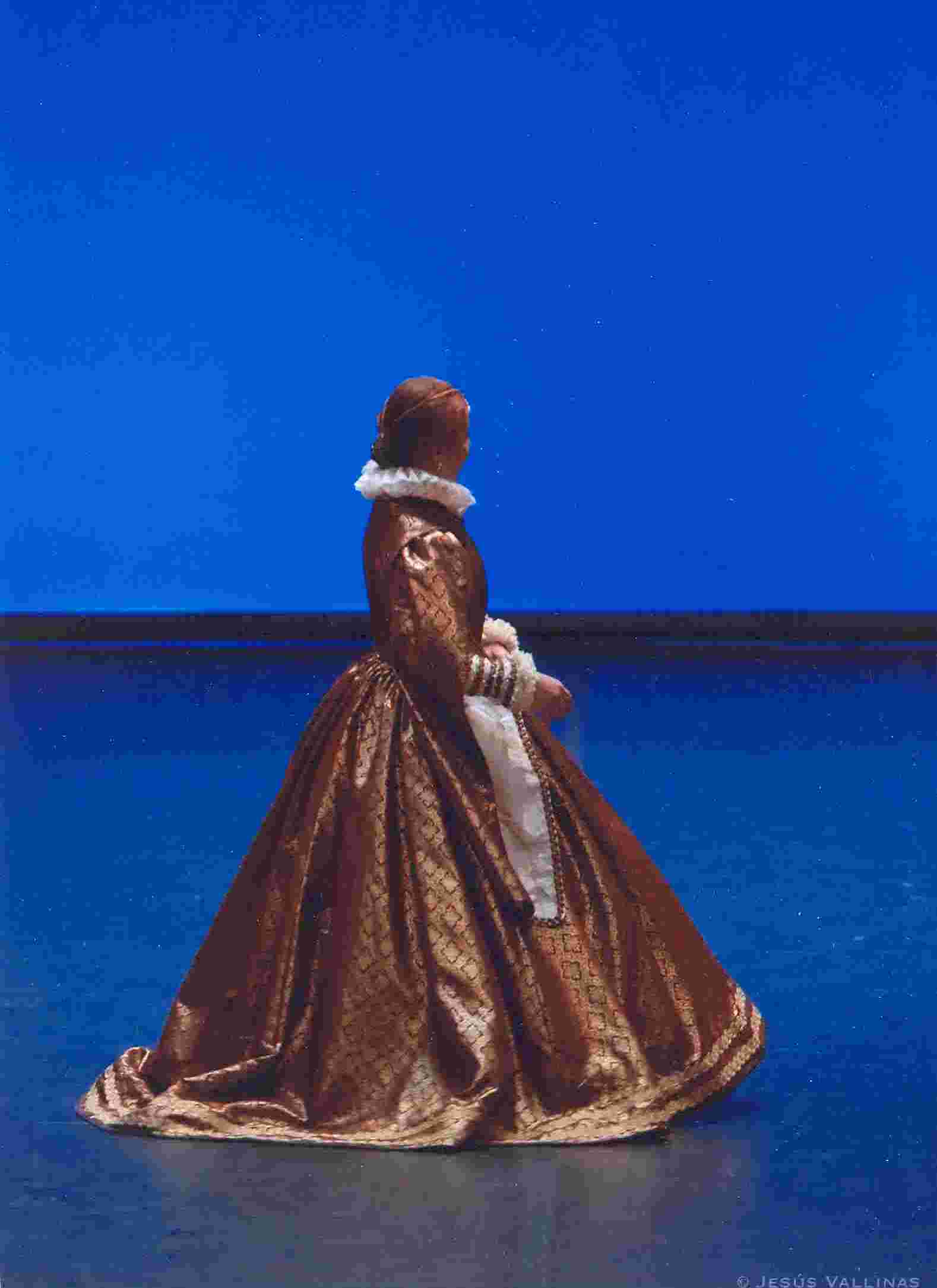
Curso de Danza Renacentista para profesores de Enseñanza Secundaria
- Course
- Renaissance
- All levels
Cursos de danza antigua 2015-2016 con Anna Romaní en el Museo de Historia de Cataluña: Módulo I, Danza de Renacimiento
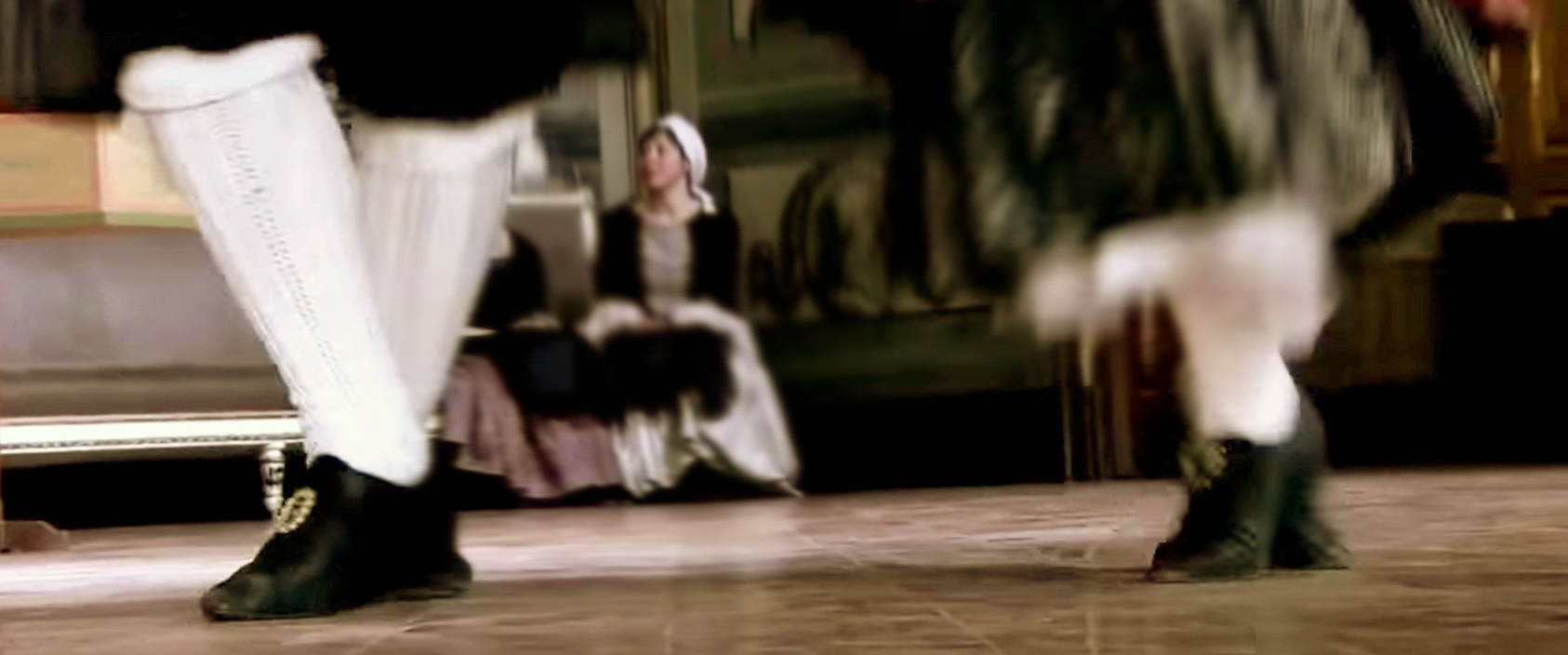
La Compañía Xuriach, en colaboración con el Museo de historia de Cataluña, nos propone un curso anual de danza antigua, la que transmitieron los maestros de danza entre los siglos XVI y XVIII y que ha llegado hasta nuestros días a través de sus tratados y manuales, o a través de las formas de la tradición oral.
El curso está organizado en 3 módulos temáticos, uno cada trimestre. Cada módulo consiste en 6 clases, en las fechas indicadas para cada trimestre, y un baile abierto al público o con el público, con músicos en directo. Anteriormente hemos publicado un post con información general sobre estos cursos.
MÓDULO I: Renacimiento
Comenzamos formando un círculo cogidos de las manos. Avanzamos hacia la izquierda y volvemos ligeramente hacia la derecha. Un Branle, una danza en ronda. Un simple vaivén, con suspensión, pero quien sabe ornamentar? Pied en l’air, fleuret, marque talon... Branles para todas las edades, Pavanes y Allemandes para pasear, Gaillardes para los más osados y Voltes para los más descarados. Introduciremos los conceptos básicos de la danza antigua a través de les danzas del francés Thoinot Arbeau, pero es posible que visitemos a los italianos, para probar sus ballets y baja danzas. Anna Romaní
Laboratorio 1 (opcional): Expansión del movimiento. A partir de les bases de la danza antigua, per co libertad coreográfica y estilística, experimentar con la amplitud y la calidad del movimiento.
Fechas: 2, 9 y 30 de octubre, 13 y 20 de noviembre, 4 de diciembre.
Horarios: Nivel 1: de 18:00 a 19:30 / Laboratorio (opcional): de 19:30 a 20:00 / Nivel 2: de 20:00 a 21:30
- Course
- Renaissance
- Beginner
- Intermediates
Stadt-Land-Fest 2015 - Der Mittelalter und Renaissance Ball
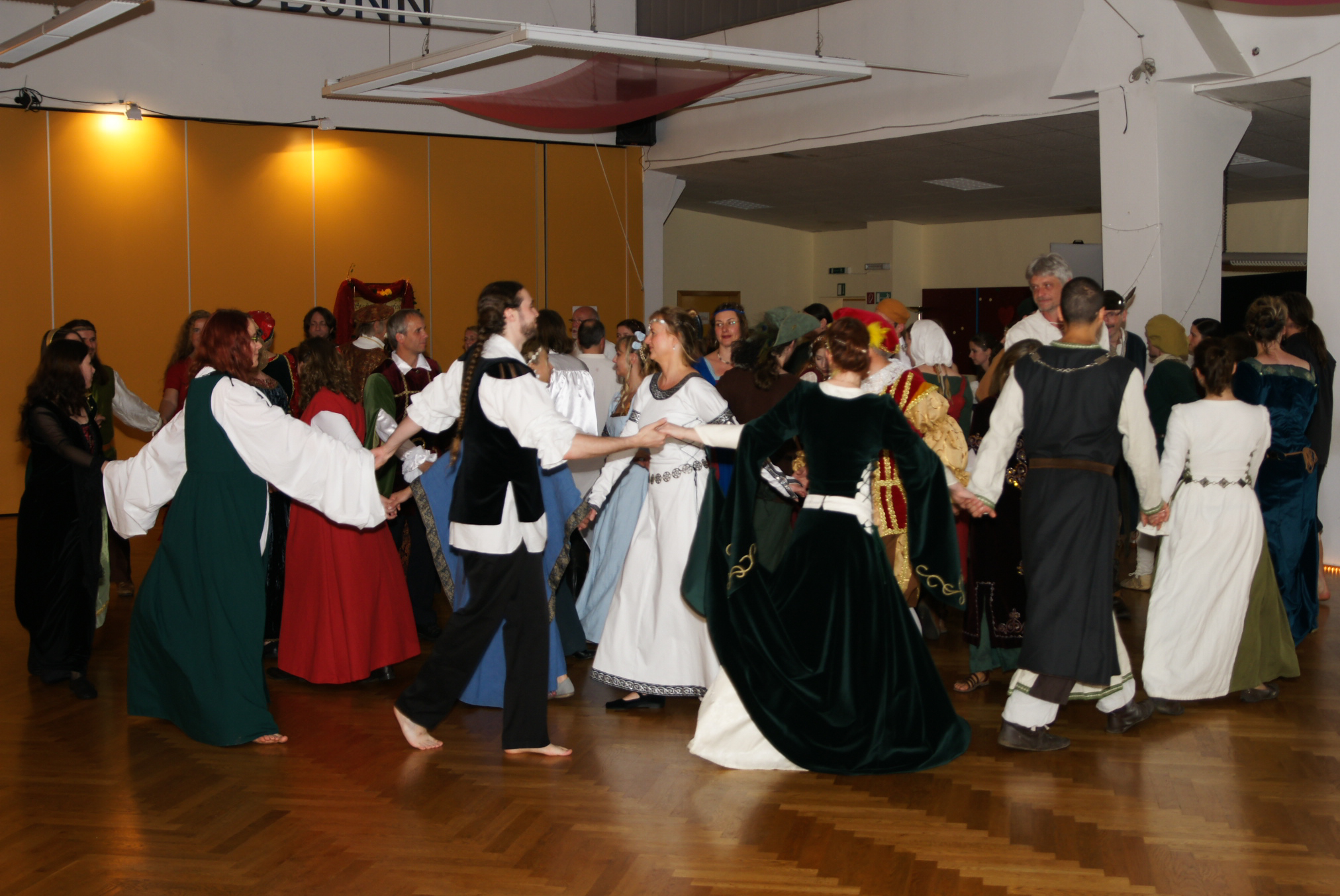
Hört ihr Leut und lasst euch sagen, die Uhr hat bald zum Tanz geschlagen!
Der Termin für das diesjährige Stadt-Land-Fest steht fest:
3. Oktober 2015
5 Jahre Stadt-Land-Fest
2010 haben wir Stadt-Land-Fest das erste mal veranstaltet und hatten so viel Freude daran, dass es zu einer jährlichen Veranstaltung geworden ist. Seither – an jedem ersten Samstag im Oktober – schwingen wir gemeinsam das Tanzbein.
Unter anderem wird geboten:
•zwei Mittelalter-Tanz Workshops (einer für Anfänger, einer für erfahrenere Tänzer)
•"Teilnahme" am Mitbringbuffett
•Getränke zu moderaten Preisen
•rauschender Ball
•Glücksspiele des Mittelalters
•Folia in den neuen Tag hinein
•Tanzen bis zum Morgengrauen!
Anmeldung und mehr Informtionen auf:
Wir freuen uns auf euch!
- Ball
- Medieval
- Renaissance
- Beginner
- Intermediates
- Advanced
BAL RENAISSNCE - DANSE MEDIEVALE
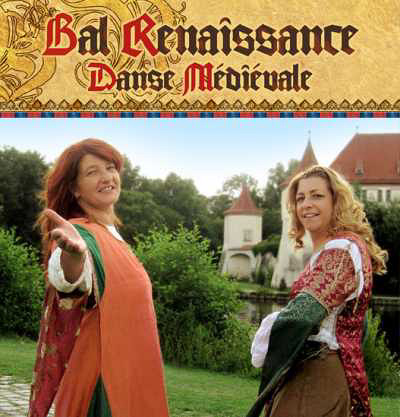
Historisches Tanzfest mit Okzitanis
Ein festlicher Abend mit Tänzen aus Mittelalter und Renaissance für alle Tanzfreunde und interessierte Neulinge.
Zum Tanz spielt das Duo Okzitanis, das auch alle Tänze fachkundig anleitet: Kreis-, Hecken- und Figuren-Tänze, die den Bogen spannen von der Ausgelassenheit dörflicher Feste bis hin zur Pracht höfischer Bälle.
Auch die Gaumenfreuden kommen nicht zu kurz. In den Tanzpausen kredenzt der Wirt ein historisches Mahl.
Samstag, 07. November 2015
Schießstätte Allach - Festsaal, Servetstr. 1, 80999 München
Einlaß: 19.30 Uhr I Beginn: 20.00 Uhr
Eintritt: 35,- Euro inkl. 2-gängiges Mahl
Die Teilnehmerzahl begrenzt - daher ist eine verbindliche Reservierung nötig!
Reservierungen und ausführliche Informationen unter:
http://www.bal-renaissance.de
- Ball
- Medieval
- Renaissance
- All levels
Renaissancetanzabend mit Freydanz
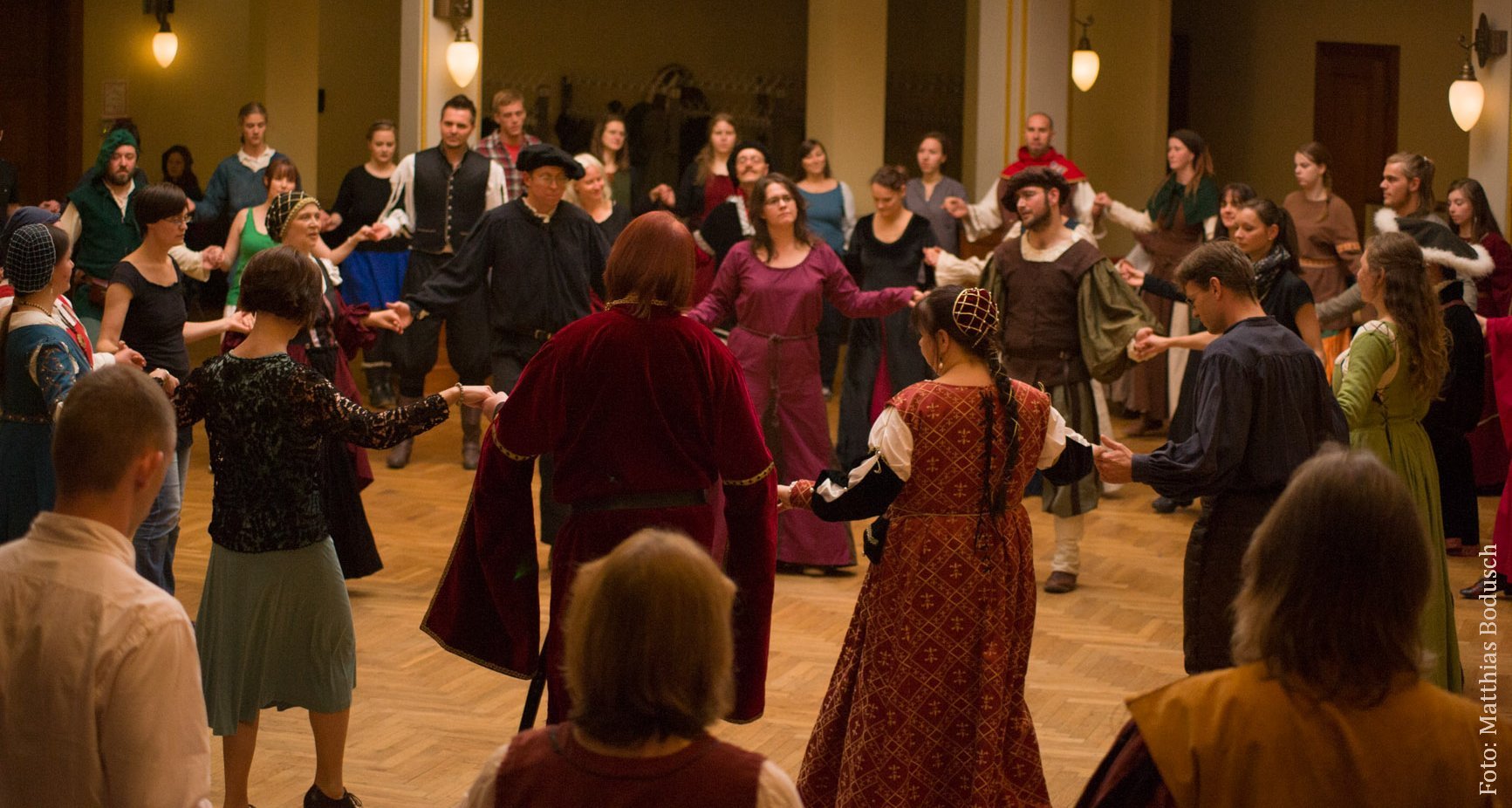
Renaissancetanzabend mit Freydanz
Tänze der Renaissance und des Barock – zum Anschauen und Mittanzen
Am 27.11.2015 ab 20 Uhr lädt Freydanz e.V. zum Renaissancetanzabend in Markkleeberg ein. Begleitet durch die Live-Musik des Freydanz-Ensembles, können historische Tänze bestaunt und getanzt werden. Vorkenntnisse sind nicht erforderlich. Alle Tänze werden von Tanzmeistern mit den Gästen einstudiert. Historische Gewandung ist gern gesehen, aber kein Muss. Empfohlen werden bequeme, lockere Kleidung und Schuhe, die auf Parkett nicht rutschen.
Zeit: 20-24 Uhr (Einlass ab 19.30 Uhr)
Preis: 7,- € / 5,- €
Mehr Infos: www.freydanz.de
- Ball
- Renaissance
- Baroque
- Playford
- Beginner
- Intermediates
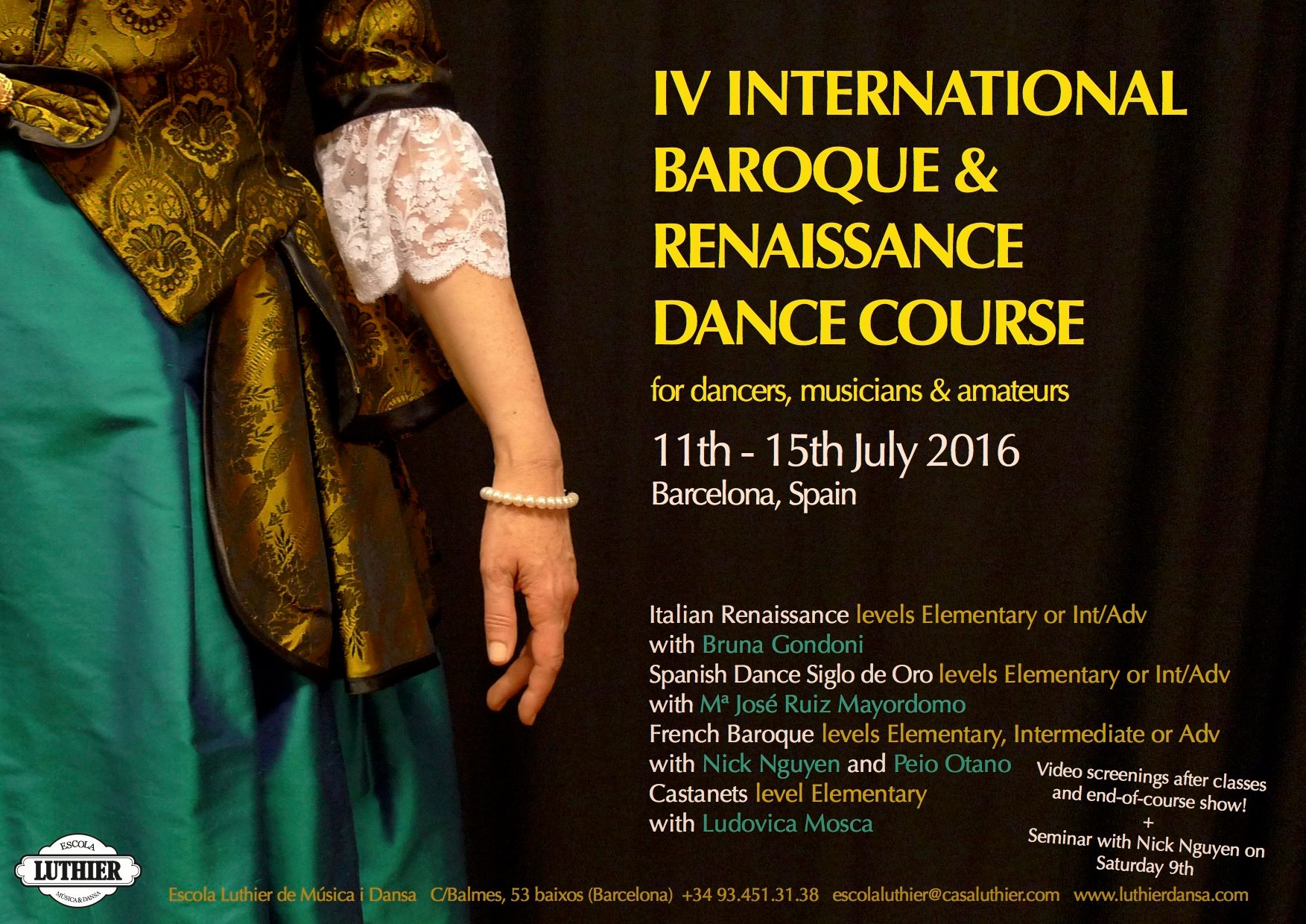
IV BAROQUE AND RENAISSANCE DANCE COURSE in BARCELONA
- Summer School
- Renaissance
- Baroque
- Spanish baroque
- Beginner
- Intermediates
- Advanced
- Professionals
Tänze der Renaissance
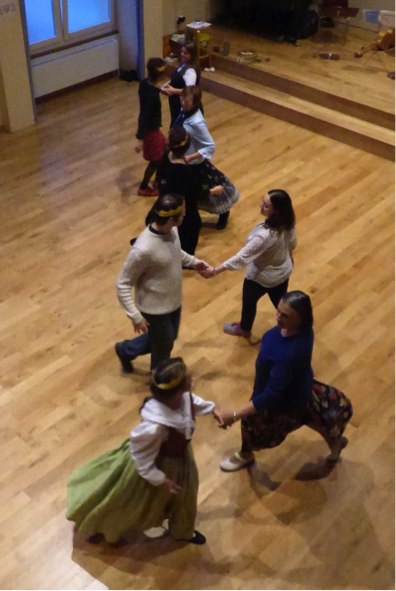
Tänze zu besonders schöner Musik des 16./17. Jh., von ruhig bis beschwingt, von einfach bis nobel, aber stets natürlich bewegt. Eine Reise durch die Tanzgeschichte.
Almain, Pase el agua, Pavane, sowie gesellig-vergnügliche Country Dances wie z.B. "Jog on", "Picking of Sticks" oder andere.
Keine Vorkenntnisse nötig! Tänze leicht bis mittelschwer.
Musik ab CD + ein wenig live.
Sonntagskurs 10.15 – 17.00 (Pause 13h–14.30)
Altes Stadthaus, historischer Saal mit Holzboden, Marktgasse 53, nur 5 min. vom Bahnhof.
Fr. 85.- (inkl. Tanzbeschreibungen & Noten, Reduktion mögl.)
Tanzleitung, Anmeldung (nötig, sie wird bestätigt):
Andreas Rutschmann, Tel. 032 489 25 82
- Workshop
- Renaissance
- All levels
EDC BIENNIAL CONFERENCE 2016 - TERPSICHORE AND HER SISTERS
The Relationships between Dance and other Arts
The Call for Papers has already gone out for next year’s Biennial Conference, under the stewardship of Barbara Segal. The range of topics should be wide, offering many a chance for our learned speakers to place early dance in its cultural context on all fronts.
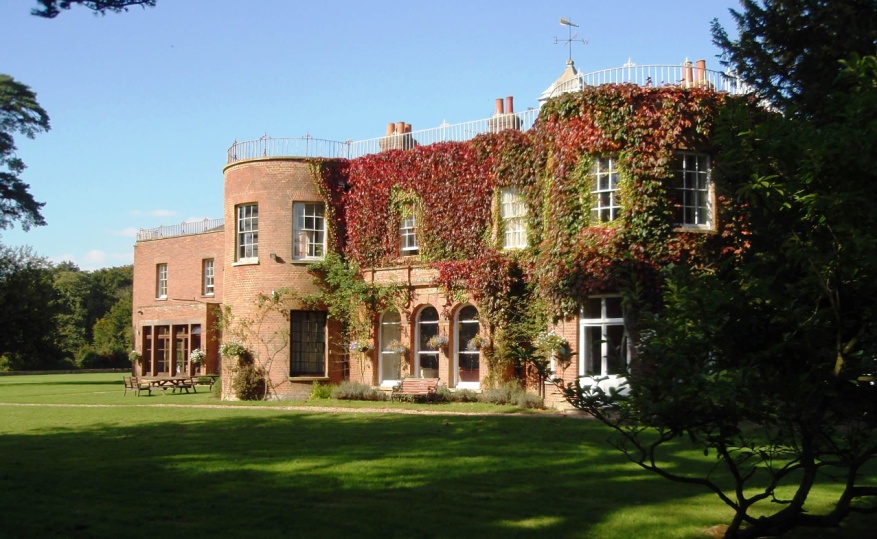
Once again, we have searched for an appropriate but affordable venue. Seldom an easy task! However this time we are able to offer those who attend a “country house” weekend. St Katharine’s, Parmoor, is an historic house standing in 12 acres of grounds in the Chilterns. Once a private home, its peaceful and relaxed atmosphere should make it ideal for a residential weekend.
The History of St Katharine’s
In 1995, the nuns of the order of St Katharine of Alexandria gave the house and grounds, now a Grade 2 Listed Building, to Lady Ryder, better known as Sue Ryder. It became The Sue Ryder Prayer Fellowship, an independent charity dedicated to the needs of others. People from all walks of life visit Parmoor.
An ancient Cedar of Lebanon recalls the fact that the estate was once owned by the Knights Templar and the legend is that the tree grew from a seed collected from the Lebanon during the Crusades.
What was probably a farmhouse passed through the Saunders family in the 16th century to the Doyles in 1603, with whom it remained for 200 years. They created a large brick and flint manor house and later added a Georgian extension.
In 1860, Henry William Cripps QC acquired it as a family home for his family of 10 children. However, he remodelled the house completely. The only relics of the older house are one brick and flint wall, the oak beams in the kitchen and the oak used for the banisters and newels in the hall staircase and some of the bookcases in the library.
Charles Alfred Cripps QC, a politician, used the house to entertain the ‘great and the good’ of the day. He added a large banqueting hall with a suite of guest rooms above, panelled the dining room, embellished the staircase with a large stained glass window and remodelled the entrance.
King Zog of Albania
Parmoor House has had a colourful life. When Lord Parmoor died in 1941, Parmoor House was let to King Zog of Albania (1895-1961), who had been forced into exile when Mussolini invaded Albania in 1939. King Zog lived at Parmoor with his Hungarian wife, Queen Geraldine, their young son Prince Leka, members of his family, their servants, bodyguards and pets. His retainers lived in Little Parmoor down the road, and his Ministers and their families were billeted to houses around Lane End. Along with his retinue, King Zog also arrived with seven crates of gold which were probably stored in a small strong room in the cellar. Parties were held at the house for government officials and sometimes other exiled heads of state, including General De Gaulle and Queen Beatrix of the Netherlands. In 1946, however, King Zog moved to Egypt. As far as we know, the crates of gold went with him.
On February 11th 1947 the second Lord Parmoor sold the house and 12 acres to the Anglican Community of St. Katharine of Alexandria. They remained for 51 years.
THE HOUSE & GROUNDS
Those attending the EDC Conference next April will enter a panelled Entrance Hall, with antique furniture, a grand piano and stained glass windows. Hopefully, in April we will not need the log fire. The large Main Hall will be used for our papers and workshops, as well as for a dance on the Saturday evening. We are free to stroll around the grounds, or find a quiet corner to enjoy the peaceful atmosphere. There is an orchard, a pond (with ducks), a formal garden and a walled garden being developed to provide vegetables, fruit and flowers for the house.
In 2016, then, we can look forward to another stimulating and enjoyable Conference in a romantic setting with a tale of its own to tell.
- Conference
- Renaissance
- Baroque
- 19th century
- mixed
Cantare, Danzare, Mangare
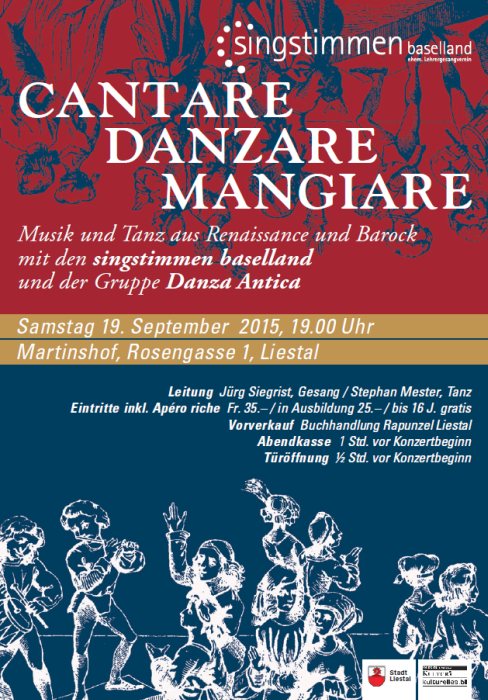
Musik und Tanz aus Renaissance und Barock mit den singstimmen baselland und der Gruppe Danza Antica
19 Uhr
- Performance
- Renaissance
- Baroque
- mixed
Master Class individuali di Danza Storica
individuali, o per 2 o più persone (in base alla coreografia
scelta), in cui i partecipanti approfondiscono lo studio della
tecnica e dello stile di brani coreografici da loro proposti,
tratti dal repertorio italiano dal XV al XVII secolo e francese
del XVII e XVIII secolo.
Le MASTER CLASS prevedono una lezione individuale, una
lezione collettiva di riscaldamento e un lavoro di gruppo su
un brano di repertorio proposto dal docente. Tutte le lezioni
sono giornaliere.
Fonti principali per il reperimento del repertorio:
GUGLIELMO EBREO, De pratica seu arte tripudii, 1463
GIOVANNI AMBROSIO, De pratica seu arte tripudii, 1474c.
GIORGIO, De pratica seu arte tripudii, 1480c.
DOMENICO DA PIACENZA, De arte saltandi et choreas ducendi, 1455c.
CAROSO Fabritio, Il Ballarino, Venezia 1581
CAROSO Fabritio, Nobiltà di dame, Venezia 1600
NEGRI Cesare, Le Gratie d’Amore, Milano 1602
FEUILLET Raoul-Auger, Recueil de dances composées par Mr. Feuillet, Paris 1700
FEUILLET Raoul-Auger, Recueil de dances contenant un tres grand nombres,
des meillieures Entrées de Ballet de Mr. Pécour, Paris, Chez le Sieur Feuillet, 1704
O altre raccolte del periodo.
Il brano coreografico a scelta dei partecipanti va comunicato entro
il 18 Giugno a gloria.giordano@fastwebnet.it.
La MASTER CLASS comprende:
- una classe di riscaldamento collettiva giornaliera della durata di
30/40 minuti;
- una classe individuale giornaliera (singola; o per 2 o più persone in
base alla coreografia scelta) della durata di 30/40 minuti;
- un lavoro di gruppo giornaliero, su repertorio coreografico proposto
dal docente, della durata di 1 ora e mezza;
- i partecipanti possono assistere come uditori alle classi individuali
degli altri partecipanti.
Tassa d’iscrizione: " 50,00
Costo individuale:
per quanti propongono una coreografia solistica " 170,00
per quanti propongono una coreografia per 2 o più persone " 150,00
per chi desidera frequentare 2 classi individuali il costo della seconda
classe è di " 60,00
Lezioni di Danza Storica per musicisti
9_12 Luglio
Le lezioni si delineano come incontri di gruppo. Si tratta di
un’introduzione alla tecnica, allo stile e al repertorio
coreografico francese, desunto dai trattati di Pierre Rameau
(Le maître a danser, 1725) e Raoul-Auger Feuillet
(Chorégraphie ou l’Art de décrire la dance, 1700), attraverso
l’apprendimento dei passi base e la pratica dei differenti tipi
di danza: courante, menuet, sarabande, bourrée, ecc.
L’accompagnamento musicale sarà in parte affidato agli
stessi partecipanti, che si potranno alternare nel ruolo di
danzatori e strumentisti.
Durata:
- Lezione giornaliera di gruppo di 1 ora.
Costo individuale: " 40,00
Entrambi i corsi saranno attivati con un minimo di 6 iscritti.
- Workshop
- Summer School
- Renaissance
- Baroque
- mixed