11ème Stage de Danses Médiévales à Sulniac

L'Association Artémusie propose un Week-End de danses médiévales. Les ateliers seront animés par Christophe Deslignes et Eva Fogelgesang.

Objectifs

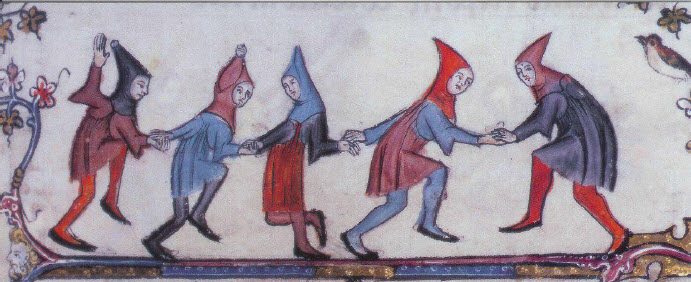
Plaisir de danser et chanter ensemble les danses du Moyen-Age. Découvrir ou redécouvrir les reconstitutions de danses populaires, religieuses et courtoises du XIIème au XVème siècle. Montrer que les danses médiévales peuvent être dansées aujourd'hui de façon vivante, créative et ludique. Groupes de niveau et atelier de perfectionnement.

Ateliers

A Danses populaires et religieuses avec Eva ; pour débutants et bons danseurs. Contenu : Danses de Mai, Caroles, Tresques, Rondelets, Cantigas B Danses courtoises avec Christophe ; Pour danseurs confirmésContenu : Estampie, Saltarello, Ballo, Basse-danse, VirelaiC "Rituels d'inversion et danses bestournées" avec Eva et Christophe Contenu : Danse macabre, danse du jaloux, tour de jongleurs et charivari Et nouvelles chorégraphies issues du Vol.1 des « Ateliers de la Danse Médiévale » (édités par Morescarole)

Coût : 138 euros

Nombre de stagiaires

16 au maximum. Ce stage s'adresse à tous, danseurs, chanteurs et instrumentistes, adultes et adolescents, étudiants, professionnels et amateurs de tout niveau.

Pour les familles :atelier danse parents + enfants, possibilité d’ateliers calligraphie et blasons pour les enfants.

Lieu : salle basse de la Maison des Association, 3, rue des Ecoles, 56250 SULNIAC. La salle est située derrière l'église et la médiathèque, à côté de la MJC. Salle des Fêtes.

Horaires :Samedi matin à 9h30.Samedi ateliers de 9h30-13h et 14h30-18h, Dîner à 19h. Dimanche, ateliers de 9h30 à 13h et 14h30-17h

  • Workshop
  • Medieval

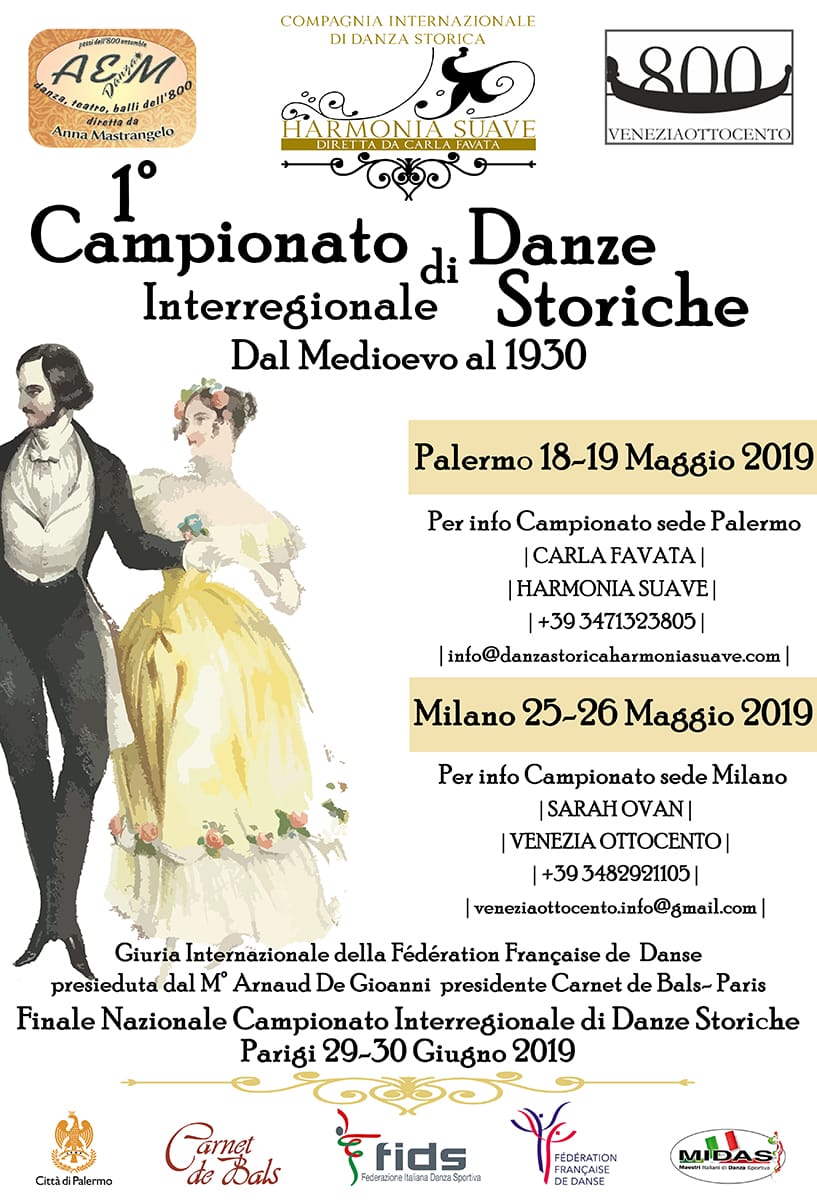
Campionato Interregionale di Danze Storiche

1 °CAMPIONATO INTERREGIONALE DI DANZE STORICHE

PALERMO 18-19 MAGGIO 2019

Per la prima volta assoluta il 1 °Campionato Interregionale di danze Storiche in Italia si svolgerà a Palermo 18 e 19 maggio 2019!!!nella sede della Palestra Virgilio Marone  e a Palazzo Mazzarino a Palermo !

La seconda tappa del Campionato sarà a Milano il 25 e 26 Maggio, mentre la Finale Nazionale si terrà a Parigi 29 e 30 Giugno 2019

La danza storica

La Danza Storica è una disciplina di danza a sé stante, riconosciuta dalla Federazione francese di danza dal 2012, attualmente in Italia con il patrocinio non oneroso della FIDS Federazione Italiana Danze Sportive e della MIDAS.

La Giuria Internazionale della Federation Francaise de Danse del Campionato sarà presieduta dal Maestro Arnaud De Gioanni presidente di Carnet de Bals Parigi .

Questo riconoscimento gli consente di strutturare un approccio culturale e sportivo su tutto il territorio. Il campionato francese di danza storica è un perfetto esempio di questo approccio di qualità che verrà ad essere proposto per la prima volta in Italia ed in particolare a Palermo il 18 e 19 Maggio 2019

Ecco alcuni riferimenti storici e le descrizioni dei  punti di forza.

Alcuni punti di riferimento storici

La danza storica riunisce tutti i flussi di danza dal Medioevo alla seconda guerra mondiale.

Infatti, questa disciplina si basa sulle descrizioni scritte dei maestri di danza, la prima conosciuta ed identificata è l'Orchésography di Thoinot Arbeau, privilegio datato 22 novembre 1589. Le correnti rappresentate sono:

  • danza medievale,
  • la danza della rinascita,
  • danza barocca,
  • il 1 ° ballo dell'impero,
  • Danza del restauro,
  • la danza del Secondo Impero,
  • il ballo della 3a Repubblica,
  • la danza Belle Epoque,
  • la danza del 1910,
  • i ruggenti anni Venti ballano,
  • la danza del 1940-1945.
  • Performance
  • 19th century
  • All levels

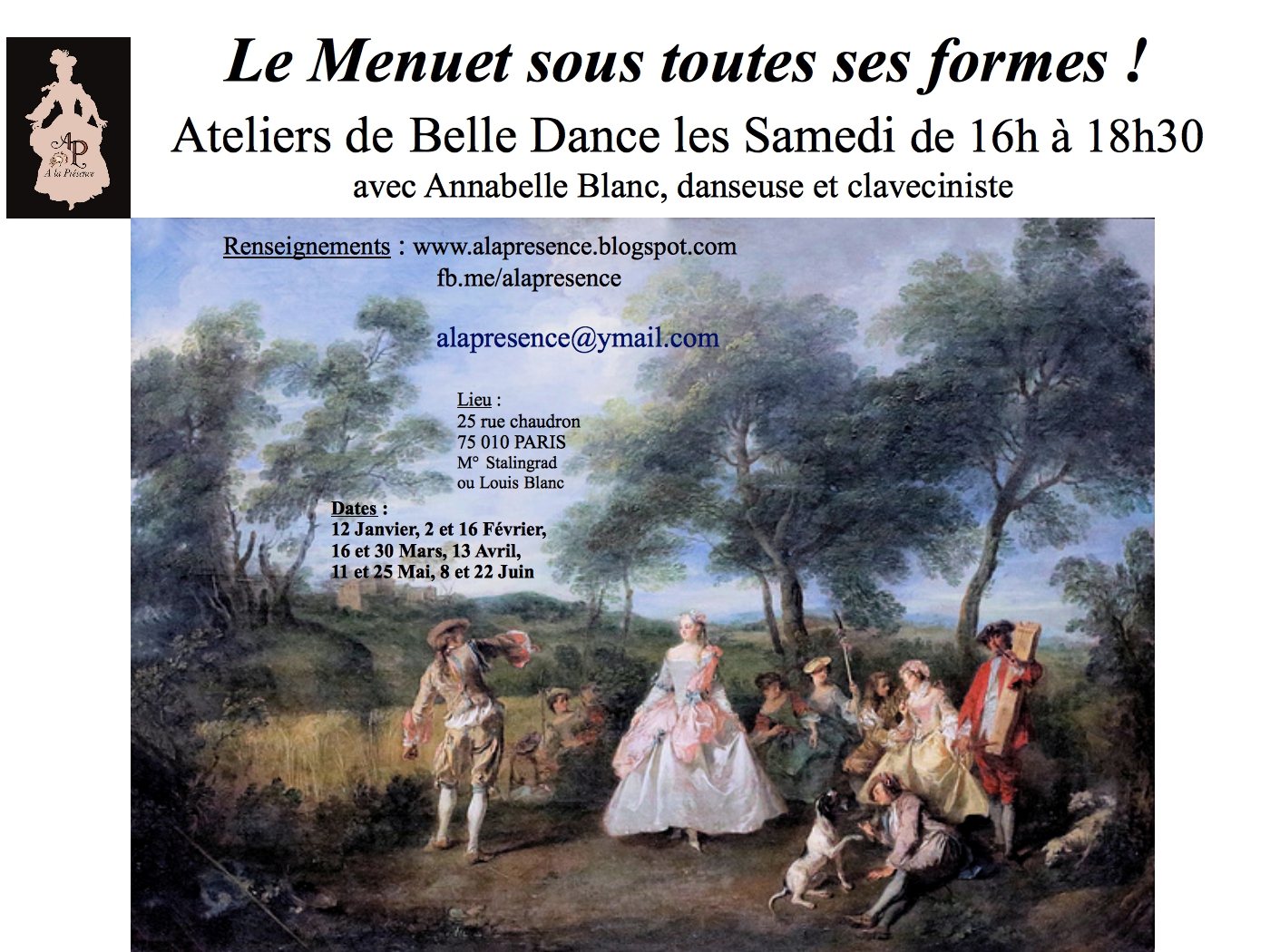
Le Menuet sous toutes ses formes!

Le Menuet sous toutes ses formes : vif ou tendre, à la cour, au bal ou au théâtre, en couple, à 3 ou à 4, en France ou en Angleterre, en contredanse…

Cette série d'ateliers vous fera (re)découvrir tous les pas et les figures du Menuet à travers des exercices et chorégraphies variés.

Dates : 16 et 30 Mars, 13 Avril, 11 et 25 Mai, 8 et 22 Juin
 

  • Workshop
  • Ongoing classes
  • Baroque
  • All levels

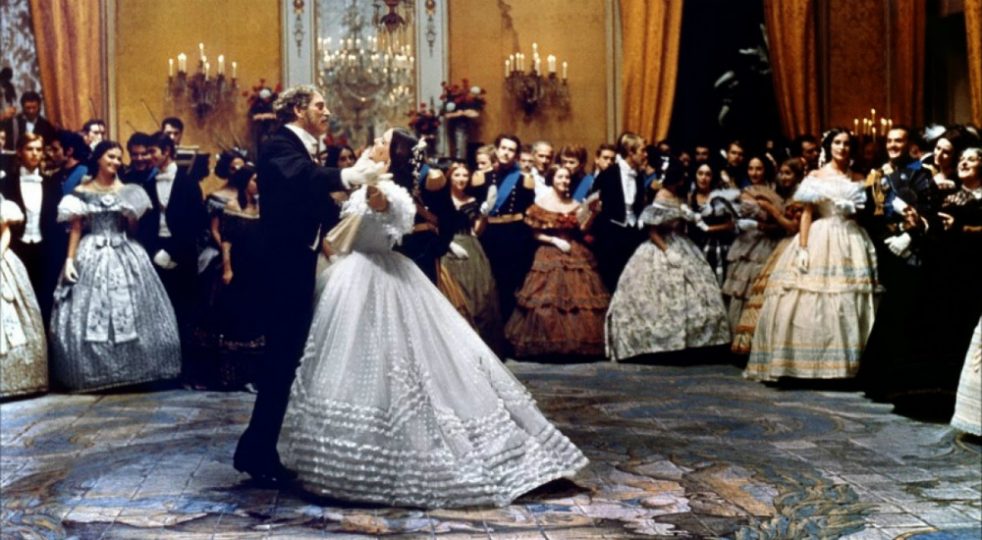
“ Le Grand Bal du Guépard”

“ Le Grand Bal du Guépard”

“The Grand Ball of the Leopard”

Palermo 6 Aprile 2019 Villa Boscogrande


The Dream of the Principe di Salina


To exist also consists of the awareness that historical memories, traditions, past achievements and their legends are fully part of our artistic and cultural background. As such they will live on forever, for indviduals and places – alongside the historical events both written and lived through – food and drinking habits of this land of Sicily accompany our lives so as to become and integral part our memory. After the great success of the first edition the Dance Company Harmonia Suave directed by Carla Favata will organize the 2st Edition of the Historical Commemoration of the Gran Ballo dai Ponteleone as described in the Sixth Chapter of the acclaimed novel “The Leopard” by Giuseppe Tomasi di Lampedusa and as directed for the screen by Luchino Visconti in the omonymous ward-winning movie. Luchino Visconti.


“Le Grand Bal du Guépard”

“The Grand Ball of the Leopard”


The Dream of the Prince of Salina


Saturday April 6  2019, in Palermo within the enchanting Villa Boscogrande, location of the opening scene of Visconti’s movie.

The novel “The Leopard” is set in Palermo, 1860 in the aftermath of the landing on the the Island of Garibaldi’s Thousand. As such, it tells the story of the period stretching from the glories of the  Romantic era to the annexation of the Kingdom of the Two Sicilies to the Kingdom of Italy.

The novel’s pages are redolent with the memories of the wonderful places and memories now gone forever which the Principe di Salina experienced in his childhood and as a young man. Those places are now laying in ruins. The  same are now brought back to mind in the most atmospheric scenes of the movie “The Leopard” and especially in the first, shot in the fascinating Villa Boscogrande, as well as in the sixth, which descrive the Gran ballo dai Ponteleone . The novel’s characters, the costumes and dances – such as the famous Waltz or Mazurka by Giuseppe Verdi and Nino Rota respectively – together with the magistereal coreographies by Alberto Testa, the places, the musical scores, landscapes and buffet where rhum jelly, timballo di maccheroni and rosolio – all will be celebrated during

 “Le Grand Bal du Guépard”

“Il Gran Ballo del Gattopardo”

“The Great Ball of the Leopard”


The Dream of the Prince of Salina


Within both a nostalgic and intense atmosphere aimed at bringing back to life a crucial passage in the history of Sicily. “If we wish everything to stay the same, everything must change”. Thus Tancredi, the Prince’s nephew, in “The Leopard”: an apparently enigmatic and ambiguous phrase   still nowadays rich in its implications. “Le Grand Bal du Guépard “ – “The Grand Ball of the Leopard” of the Dance Company Harmonia Suave diretta da Carla Favata, will re-enact the climax of the novel as contained in its Sixth Chapter in the description of the “Grande Ballo dai Ponteleone”.

This describes a crucial historical  passage in which Palermo’s ruling elite lived in awe of the new events, for “following the arrival of the Piedmontese and the ominous events of Aspromonte [where the Piedmontes shot Garibaldi], having fears of expropriations and violence subsided, the two hundred people who constituted “‘the World” never got tired of meeting each other to congratulate themselves on being still in exsistence” ( G. Tomasi di Lampedusa “The Leopard”).

All participants will wear 1860 attires clothing; dances will be listed according to a rigorously philological carnet; the film location , the music, the buffet’s historical menu, the view from the Villa’s balconies and the smells of the land of Siciliy – and more: the Novel’s pages as well as the movie’s central scenes - all will scrupolously brought to life under Carla Favata’s direction, aimed at making participants live again the glories of time gone past forever cast in the pages of a novel that made history.


The Grand Ball, guided tours and visits to the venues of both “The Leopard” and Palermo will be organized by Compagnia Harmonia  Suave directed by Carla Favata. For info, please contact: Carla Favata e-mail carla.favata@gmail.com
  • Ball
  • 19th century
  • All levels