Master Class individuali di Danza Storica
individuali, o per 2 o più persone (in base alla coreografia
scelta), in cui i partecipanti approfondiscono lo studio della
tecnica e dello stile di brani coreografici da loro proposti,
tratti dal repertorio italiano dal XV al XVII secolo e francese
del XVII e XVIII secolo.
Le MASTER CLASS prevedono una lezione individuale, una
lezione collettiva di riscaldamento e un lavoro di gruppo su
un brano di repertorio proposto dal docente. Tutte le lezioni
sono giornaliere.
Fonti principali per il reperimento del repertorio:
GUGLIELMO EBREO, De pratica seu arte tripudii, 1463
GIOVANNI AMBROSIO, De pratica seu arte tripudii, 1474c.
GIORGIO, De pratica seu arte tripudii, 1480c.
DOMENICO DA PIACENZA, De arte saltandi et choreas ducendi, 1455c.
CAROSO Fabritio, Il Ballarino, Venezia 1581
CAROSO Fabritio, Nobiltà di dame, Venezia 1600
NEGRI Cesare, Le Gratie d’Amore, Milano 1602
FEUILLET Raoul-Auger, Recueil de dances composées par Mr. Feuillet, Paris 1700
FEUILLET Raoul-Auger, Recueil de dances contenant un tres grand nombres,
des meillieures Entrées de Ballet de Mr. Pécour, Paris, Chez le Sieur Feuillet, 1704
O altre raccolte del periodo.
Il brano coreografico a scelta dei partecipanti va comunicato entro
il 18 Giugno a gloria.giordano@fastwebnet.it.
La MASTER CLASS comprende:
- una classe di riscaldamento collettiva giornaliera della durata di
30/40 minuti;
- una classe individuale giornaliera (singola; o per 2 o più persone in
base alla coreografia scelta) della durata di 30/40 minuti;
- un lavoro di gruppo giornaliero, su repertorio coreografico proposto
dal docente, della durata di 1 ora e mezza;
- i partecipanti possono assistere come uditori alle classi individuali
degli altri partecipanti.
Tassa d’iscrizione: " 50,00
Costo individuale:
per quanti propongono una coreografia solistica " 170,00
per quanti propongono una coreografia per 2 o più persone " 150,00
per chi desidera frequentare 2 classi individuali il costo della seconda
classe è di " 60,00
Lezioni di Danza Storica per musicisti
9_12 Luglio
Le lezioni si delineano come incontri di gruppo. Si tratta di
un’introduzione alla tecnica, allo stile e al repertorio
coreografico francese, desunto dai trattati di Pierre Rameau
(Le maître a danser, 1725) e Raoul-Auger Feuillet
(Chorégraphie ou l’Art de décrire la dance, 1700), attraverso
l’apprendimento dei passi base e la pratica dei differenti tipi
di danza: courante, menuet, sarabande, bourrée, ecc.
L’accompagnamento musicale sarà in parte affidato agli
stessi partecipanti, che si potranno alternare nel ruolo di
danzatori e strumentisti.
Durata:
- Lezione giornaliera di gruppo di 1 ora.
Costo individuale: " 40,00
Entrambi i corsi saranno attivati con un minimo di 6 iscritti.
- Workshop
- Summer School
- Renaissance
- Baroque
- mixed
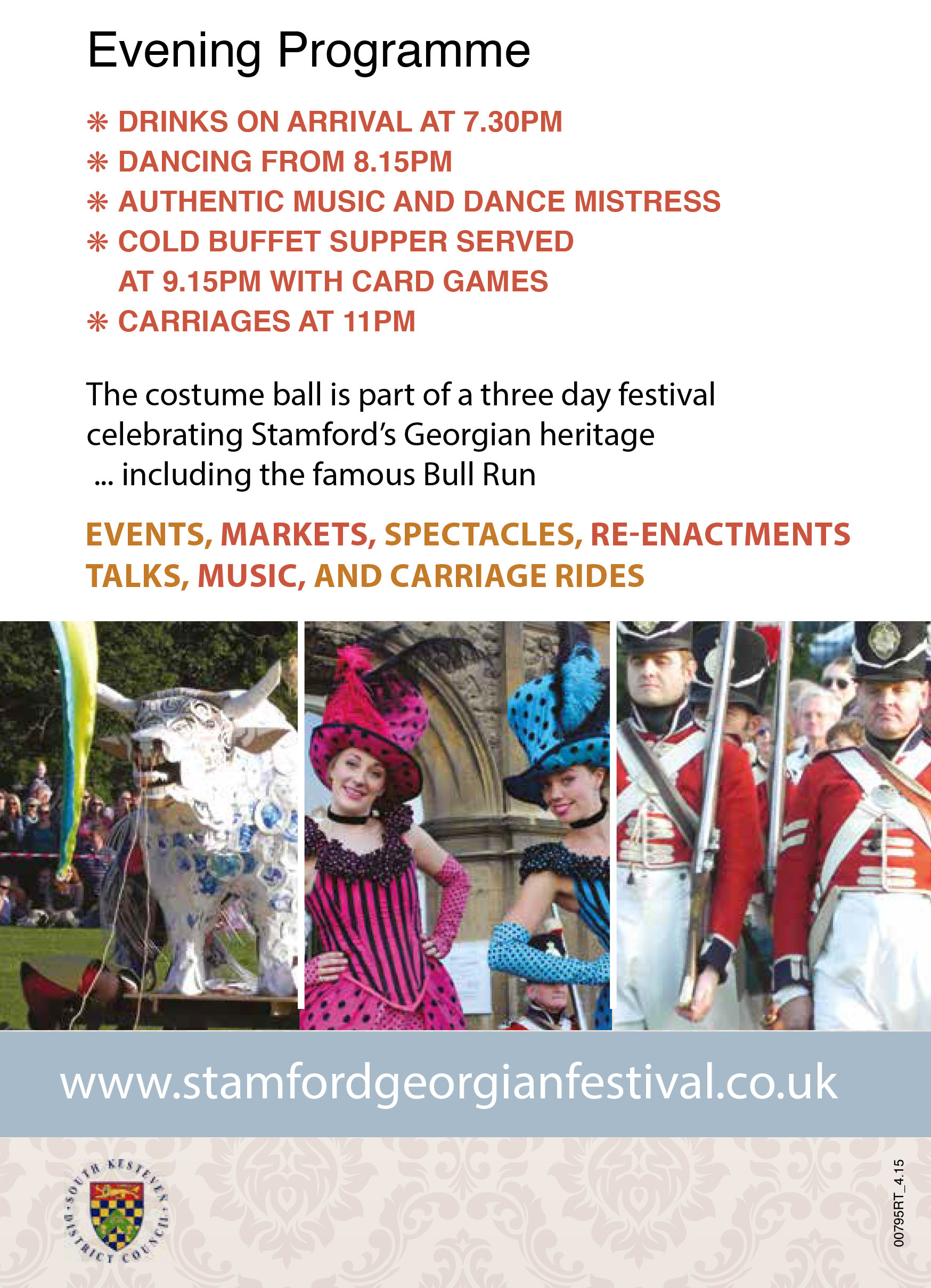
Stamford Georgian Festival Costume Ball
A costume ball to take place on Friday 25th September in the Georgian ballroom at Stamford Arts Centre. All levels of dancers welcome.
Ticket includes a welcome drink and two course buffet supper. Period card games will also be played during supper. 7.30 start. Carriages at 11pm
Tickets £35 each available from Stamford Arts Centre box office - +44 (0)1780 763203
GEORGIAN COSTSUME BALL-2.jpg
(616.87 KB)
- Ball
- Costumes
- All levels
Aus der Wunderkammer der Tanzgeschichte: "La bourrée est souveraine"
Diese Veranstaltung muß leider abgesagt werden - wir werden versuchen, den Kurs zu einem späteren Zeitpunkt anzubieten!
Die anonyme Darmstädter Handschrift Instruction pour dancer les dances cy apres nommez ist eines der seltenen erhaltenen Dokumente an der Schwelle zum 17. Jh., das uns einen kleinen Einblick gewährt in die einst vielfältige Welt der französischen Gesellschaftstänze um 1600-1610. Zeuge einer wenig bekannten Tanzkultur der Übergangsjahre zwischen Renaissance und Barock spielt sie eine wichtige Rolle in der Tanzgeschichte zwischen Thoinot Arbeau's Orchésographie 1588 and De Lauze's Apologie de la Danse 1623. Die darin beschriebenen Choreographien (Branlen, Passepieds, Gavotte, Courante/Volte, La Bourrée, Pavane d'Espagne) stellen für uns heutzutage einen Glücksfall dar, wenn auch die Verschwiegenheit des Autors in Fragen der Schritttechnik Herausforderungen an moderne Interpretationen mit sich bringt.
Im Zentrum des Kurses steht La Bourrée, ein Paartanz aus sechs Couplets, der musikalisch wie choreographisch erst gegen 1600 aufkommt und zum ersten Mal in der Instruction beschrieben wird. In der ersten Dekade des 17. Jhs gilt die Bourrée bereits als Favorit in der Tanzszene und ihre musikalische Rezeption verbreitet sich in den nächsten Jahren über ganz Europa. Tänzerisch ist sie eine echte Novität. Und sie verändert die Tanzwelt nachhaltig: mit ihrem Grundschritt legt sie das Fundament zu der Herausbildung des Basisschritts der barocken Tanzkultur.
Kurszeiten: Freitag 10-13h, Samstag 15-19h, Sonntag 10-13h
Preis: 110 € (zeitenTANZ-Mitglieder: 90 €)
Anmeldung (bis 14.9.) und nähere Information: s. Kontakt
- Workshop
- Early Baroque
- Intermediates
- All levels
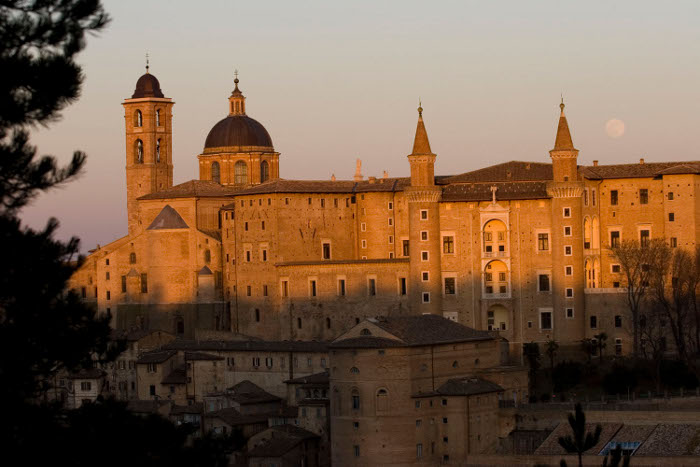
The 47th Early Music and Dance Course in Urbino
This year we will offer new opportunities for all musicians, both amateurs and professionals. First of all we recommend the Choir course held by Alessandro Quarta, aimed at staging an outstanding program planned at the end of the course including concertato psalms and motets by Händel, Scarlatti, Bencini and other wonderful unknown works.
Thanks to the introduction of two chamber music main courses, each lasting five days and held by Stefano Demicheli and Enrico Gatti, we intend to enhance one of the most valuable aspects that animate the courses in Urbino: playing together. This will be a unique opportunity, in which groups already formed will be welcome, to give life to an artistic experience of the highest level.
This year too the course offers the best teachers available in the in the world of the ‘historically informed performance practice’. Among the novelties this year we point out the singing courses with three special guests: Sara Mingardo, Lia Serafini and Claudine Ansermet, the harpsichord masterclass with Rinaldo Alessandrini, the masterclass recorder with Michael Form and the return of Alfredo Bernardini to the direction of the baroque orchestra.
The course offer will be enriched by a series of lectures held by Enrico Gatti devoted to Diminution and ornamentation in the 17th and 18th Cent. and to the “Pronuntia" of the Violin and string instruments in the 17th and 18th Cent., wich will be free for all participants.
- Summer School
- Renaissance
- Quattrocento
- Cinquecento
- Baroque
- Early Baroque
Tanzen wie Prinz und Prinzessin
Kinder tanzen Tänze des 17. und 18. Jahrhunderts
Welche Tänze haben die Prinzessinnen und Prinzen an den europäischen Höfen vor mehreren 100 Jahren gelernt? Mit welchem Tanz durften sie zum ersten Mal beim Hofball vor dem König auftreten? Wie geht eine Reverenz oder Verbeugung - oder schüttelten sie dem König die Hand zur Begrüssung? Was genau ist ein Menuett oder eine Gavotte - tanzt man die alleine oder gibt es auch lustige Gruppentänze? Wir werden zusammen die wichtigsten Tanzschritte und Figuren lernen und auch erfahren, wie man sich als Prinz und Prinzessin am Hofe zu benehmen hatte.
Teilnehmende: mind. 8 Kinder ab 7 Jahre mit und ohne Vorkenntnisse
Kurs A: Samstag, 7.11.2015 von 10–13 und 14–16 Uhr
Kurs B: Samstag, 14.11.2015 von 10–13 und 14–16 Uhr
(die Kurse A und B können einzeln oder im Paket A+B besucht werden)
416 Kindertanz.pdf
(46.76 KB)
- Workshop
- Renaissance
- Baroque
Armide (Lully)
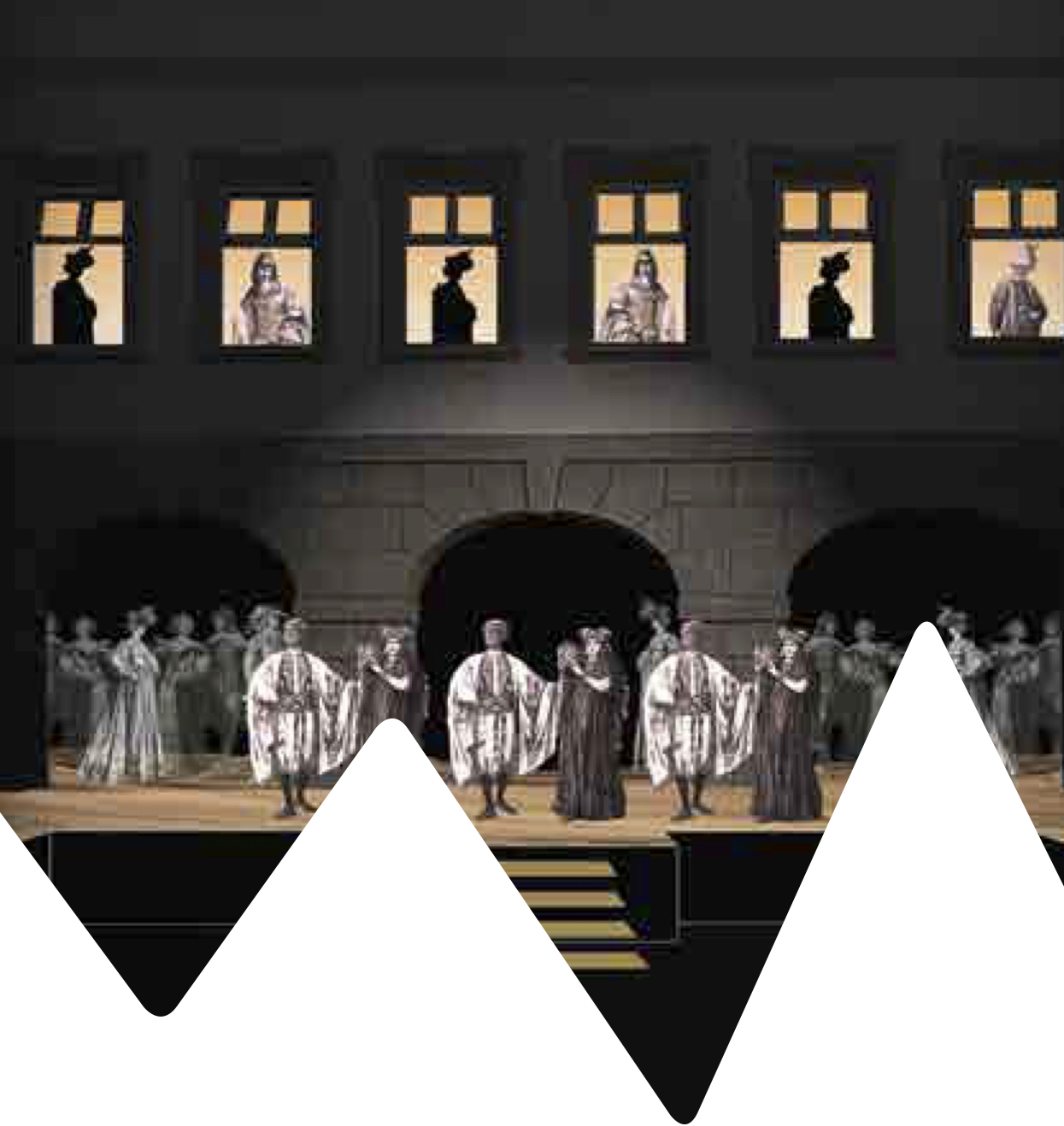
Armide
In August 2015, the Innsbrucker Festwochen der Alten Musik will stage Lully’s opera Armide, a co-production with Musikfestspiele Potsdam Sanssouci, in collaboration with Centre de Musique Baroque de Versailles, Nordic Baroque Dancers and orchestra Les Folies Françoises.Armide bild 2
Tragédie en musique in 3 acts by Jean-Baptiste Lully (1632-1687)
Libretto by Philippe Quinault (based on Torquato Tasso’s La Gerusalemme liberata)
First performed in 1686 in Paris
Musical direction Patrick Cohën-Akenine
Stage direction and choreography Deda Cristina Colonna
Scenography and light design Francesco Vitali
Orchestra Les Folies Françoises
Dance company Nordic Baroque Dancers
Armide bildDance rehearsal director Karin Modigh
Singers:
Armide Elodie Hache (soprano)
Renaud Joao Pedro Cabral (tenor)
Phénice Daniela Skorka (soprano)
Sidonie Miriam Albano (soprano)
Hidraot Pietro di Bianco (bass baritone)
Aronte/Ubalde Tomislav Lavoie (bass)
Artémidor Jeffrey Francis (tenor)
Le chevalier danois Enquerrand de Hys (tenor)
Nordic Baroque Dancers:
Caroline Copeland (US)
Noah Hellwig (SE)
Guillaume Jablonka (FR)
Robert Le Nuz (FR)
Karin Modigh (FR/SE)
Adrian Navarro (DE)
Performances at Innenhof der Theologischen Fakultät, Innsbruck, Austria
22, 24, 26 August 2015
- Performance
- Baroque
- Professionals
III - Festival Renacentista "Princesa de Eboli" - Taller de Danza Renacentista
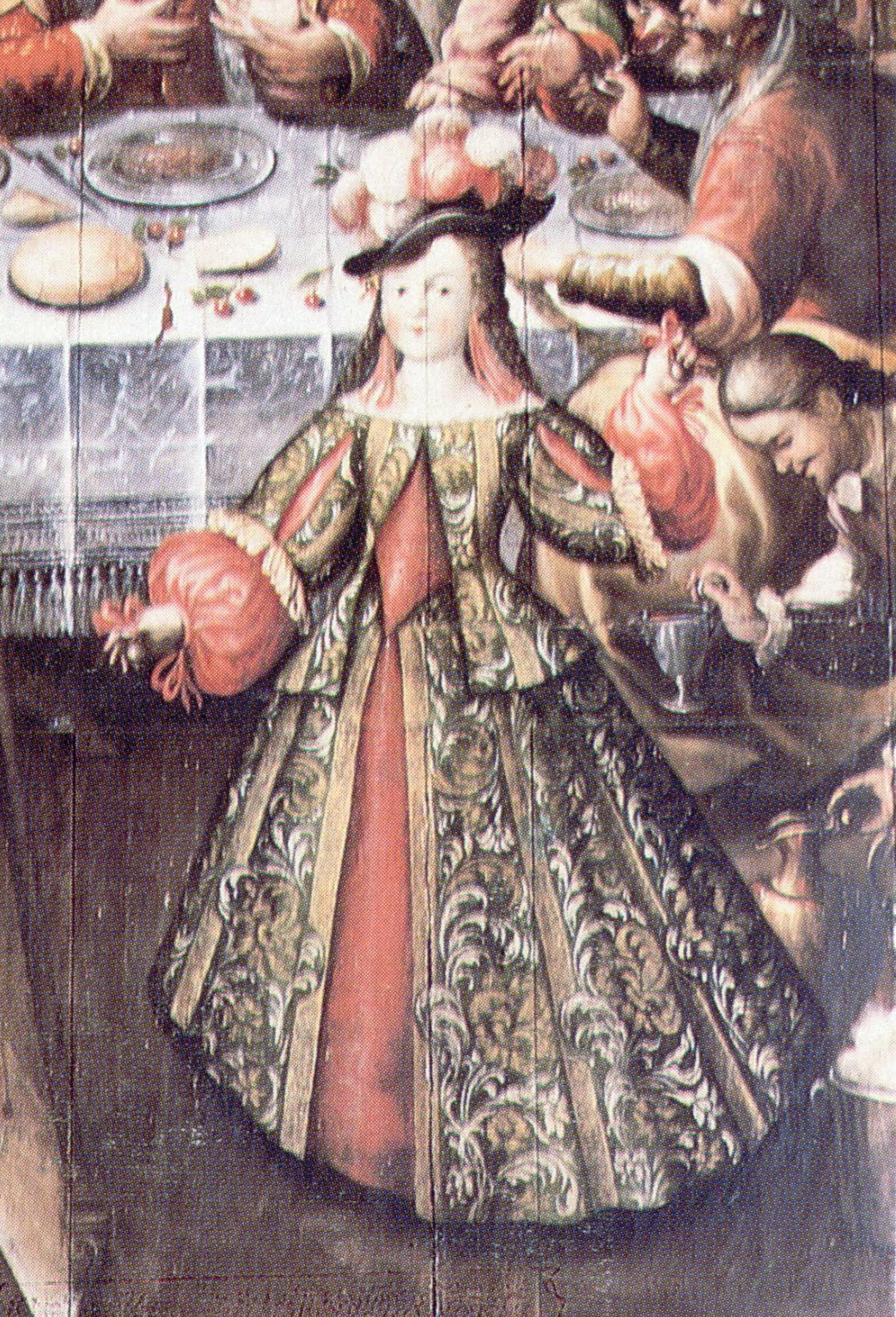
Renanssance dance of te Eboli Princess time - Taller libre y gratuito
20h. - Plaza de la Constitución
PINTO (Madrid)
- Workshop
- Renaissance
- All levels