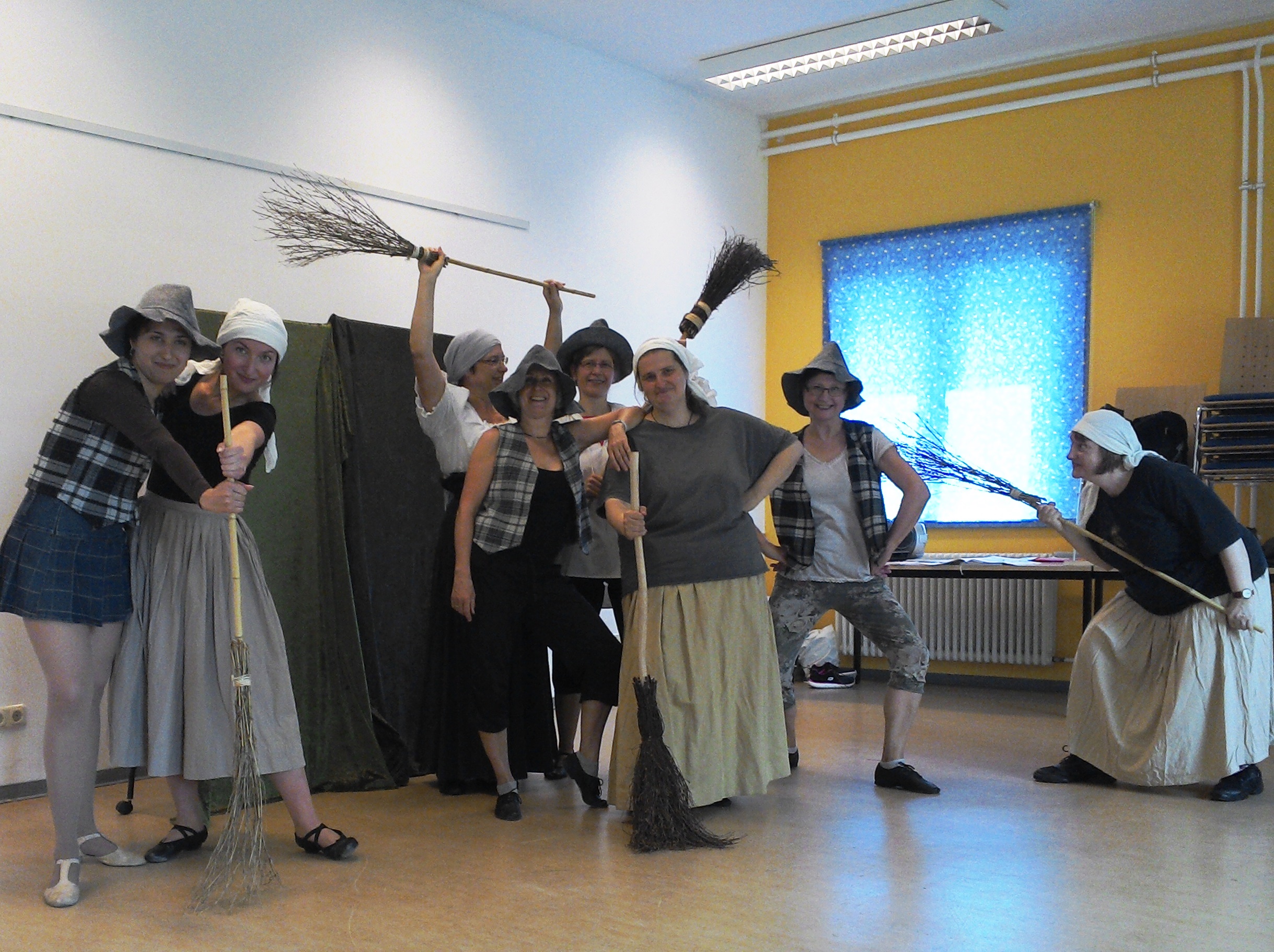
Gregorio Lambranzi 1716: „Die vier Nasen-Schneutzer“


Workshop im Rahmen der 7. Internationalen Barocktanztage in Potsdam


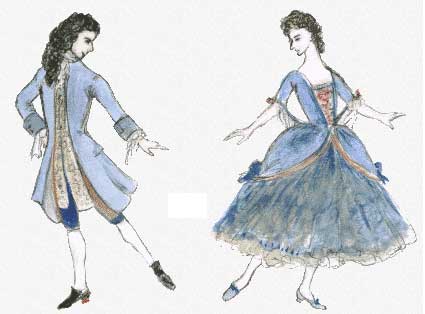
Barocktanz „Die vier Nasen-Schneutzer“                                             

Choreographie und musikalischer Satz: Barbara Zech-Günther/Berlin aus Gregorio Lambranzis "Neue und curieuse theatralische Tantz-Schul" Nürnberg 1716

In dem Kurs wird eine mögliche tänzerisch-szenische Realisation der "Die vier Nasen-Schneutzer" erarbeitet.   Voraussetzungen: barockes Grundschritt-Repertoire und Lust an deftigem Schauspiel. Bitte Bauernkleidung mitbringen (Kniebundhosen, weißes Bauernhemd, Weste, Hut, weiche Schuhe - Jazztanzschuhe oder Wildleder-Hausschuhe innen mit Fell, mit denen es sich wunderbar tanzen lässt).


**************************           

In this course is worked out a possible scenic performance of Lambranzis “Die vier Nasen-Schneutzer  ” (composition and choreographie: Barbara Zech-Günther) This course is for dancers familiar with the basic steps of baroque dance, who will enjoy to get to know another form of dance and scenic performance. If possible, please bring farmers clothing ( knee-breeches, white farmers shirt, waistcoat, hat, jazz dance shoes or soft suede slippers)


Teilnehmer: min. 8 max. 12   (nicht für Anfänger geeignet)

Zeit: Donnerstag, 15.06.2017, 09.30 - 12.30 Uhr

Kosten: 25 €

Ort:

Treffpunkt Freizeit, Theatersaal, Am Neuen Garten 64, 14467 Potsdam

 (Änderungen vorbehalten!)

Anmeldungen unter: public@potsdamer-rokoko.de


Das Gesamtprogramm der Barocktanztage finden Sie unter www.potsdamer-rokoko.de


  • Workshop
  • Course
  • Baroque
  • Intermediates
  • Advanced

Consort de Danse Baroque Summer School 2017

Partial attendance options available

For All Levels
From the complete beginner to the professional dancer

Module 1:
18th – 22nd August

Friday dinner to Tuesday before dinner.
Arrival from 6:30pm.
All levels, beginners welcome

Module 2:
23rd – 27th August

Wednesday dinner to Sunday evening after Ball.
Arrival from 6:30pm.
Beginners: See note in module description below

This non-residential course is designed for all levels from the absolute beginner to the professional dancer, concentrating on the technique, presentation and notation of Baroque dance. It allows students to immerse themselves in number of skills associated with Baroque dance that are not possible to cover during a weekend course or series of evening classes. Students may attend the first weekend, one or both modules.

With its focus on a sound technical foundation, Module 1 equips newcomers to Baroque dance with a thorough grounding in basic skills.  Students will be taught a number of steps, and typical variations, in well-known dance rhythms such as bourée, sarabande, gigue and menuet, as well as basic arm motions.  More experienced dancers will have the opportunity for further in-depth study of various aspects of Baroque dance.

Module 2 will focus on performance as well as technical skills.  Students who have attended Module 1 will consolidate work previously covered, expanding their knowledge of step vocabulary and arm motions in a variety of musical rhythms.  Students attending Module 2 only (who should have previous Baroque or other dance experience) will further develop their skills in all aspects of technique and performance.  Workshops for all students will expand their knowledge and practice of Baroque dance in performance.

Note:  Beginners attending Module 2 only should, in the first instance, contact Philippa .

The Rubicon Centre has two dance studios with sprung floors and wall-length mirrors, a study room, café area, and changing and shower facilities.

Timetable

The daily timetable includes at least two technique classes with different level mixes, to allow for consolidation and challenge, as well as costumed lecture-demonstrations and workshops on various aspects of Baroque dance such as:  Mechanics of Arm Motions, Baroque Gesture, Notation (reading & reconstruction), Dance Performance Skills (including musicality, use of arms & head as a means of expression etc.), Character Dance, Commedia & Mask Work, and Choreographing in the Baroque Style.

Classes run daily from 9:30am to 9:30pm unless otherwise stated, and are accompanied by recorded music or musicians on period instruments.  Dinner is provided on-site most evenings; lunch is not provided, but there are many local shops selling a variety of produce very close to the Rubicon Centre.


Free Time: Wednesday, August 23rd is a free day to explore Cardiff and surrounding areas. There will be shorter periods of free time available for those only attending one module, and optional workshops may be available Wednesday afternoon (subject to demand) open to students attending either module.

End of Course Masquerade Ball

Sunday 27th August
7:15pm at The Rubicon

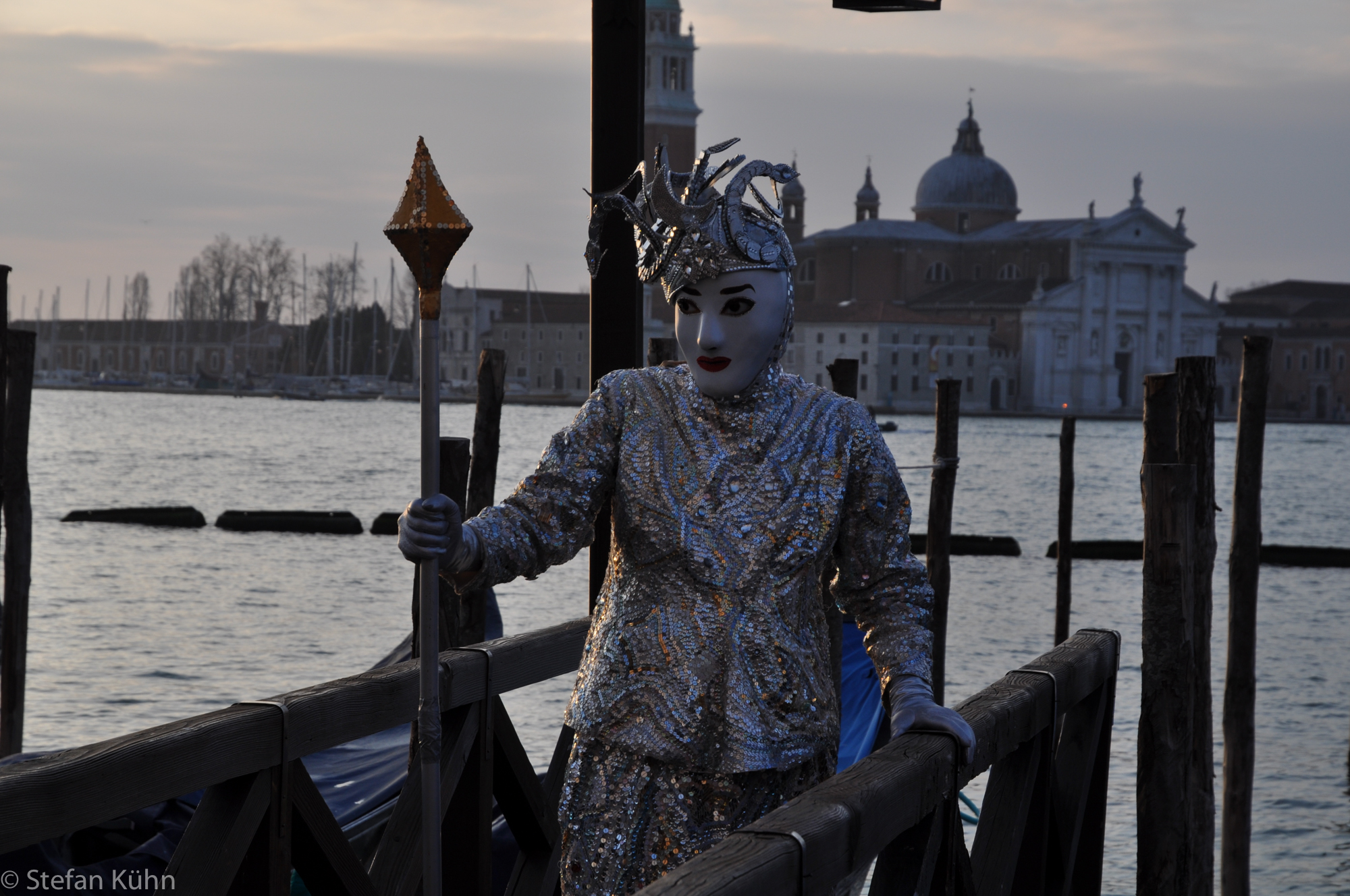
The course will end with an All Periods Masquerade Ball and Buffet.  Period costume and/or masks optional.

Tickets:  £22.50 (course member not attending Module 2); £27.50 (non-course members); £45 couples (non-course members).

Accommodation

The course is non-residential, however, a limited number of rooms will be reserved at local student halls of residence.  Please see our accommodation information for details and for alternative accommodation.

More Information

Information about fees and a printable application form are available online.

If you have any questions, please contact Philippa Waite:

Phone: 07976 374482
E-mail: summer@ukbaroquedance.com

Link
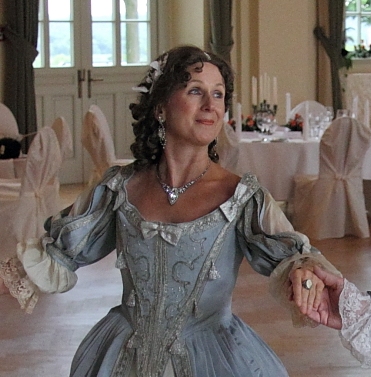
  • Summer School
  • Ball
  • Baroque

The coffee ballet - 21th February at Variete Theatre (Cracow)

At the beginning of XVIII century all Europe was fascinated by coffee. Everyone wanted to try it... At this time arose first coffee shops and coffeehouses. Coffee was extremely fashionable then. Even a famous composer Johann Sebastian Bach created his cantata on this topic. This work was an inspiration for Cracovia Danza Court Ballet, to show this fascination, and that is how “Balet o kawie” (The coffee ballet) was created. 21th February, at 7 pm in Variete Theatre (Cracow), there is an opportunity to see this extraordinary spectacle, which is one of the most popular performance of Cracovia Danza Court Ballet.  Tickets available in Variete Theatre and on website: www.teatrvariete.pl/repertuar/ fot. Ilja Van de Pavert
  • Performance
  • Baroque

Höfisches Tanzvergnügen: Ardente Sole – Catena d’Amore – Ballo del Fiore

Die erstaunliche Tanzkunst im Italien der späten Renaissance kennen wir zumeist aus den Balletti von Caroso und Negri, die uns mit ihren ausgetüftelten Choreographien und zum Teil anspruchsvollen Schrittvariationen ein Bild von den hoch-qualitativen Balltänzen der Zeit um 1600 vermitteln. In diese Kategorie gehört das Balletto „Ardente Sole“ von Fabritio Caroso. „Ardente Sole“ ist ein Tanz für ein Solopaar, der sich durch eine überaus schöne Formensprache mit einer ansprechenden, nicht allzu schweren Mutanz im Mittelteil auszeichnet. Solche Balletti müssen gut einstudiert sein, um durch die Präzision der Schritte und die Abstimmung der Tanzenden untereinander die Tanzkunst hervorleuchten zu lassen. Demgegenüber gibt es bei Caroso und Negri auch einige Tänze, in denen das Vergnügen mit vielen gleichzeitig Tanzenden im Vordergrund steht, die Variation der Schritte ist hier eher begrenzt. Bei diesen Tänzen wird sehr oft der Partner gewechselt – ein Kennzeichen, das wesentlich für die englischen Countrydances ist. Bei Catena d’Amore könnte man sogar von einer Aufstellung „Longways for as many as will“ sprechen. Das Wort „Catena“ (Kette) wird in diesem Tanz auf höchst anmutige Weise umgesetzt. Im Ballo del Fiore gibt es während des Tanzes freie Partnerwahl. Die Choreographie wie auch die Musik steht in großer Nähe zum Branle de la Torche aus der Orchésographie, statt der Fackel wird mit einer Blume getanzt – passend zum Frühling in Benediktbeuern.

Neben diesen drei Tänzen gibt es wieder schöne schwungvolle Playfords. Weitere Tänze nach Absprache.

Am Sonntag Abend (30.4.) findet ein Tanzfest mit Buffet statt (bitte Kostüme mitbringen, falls vorhanden, kein „Muß“). Wer möchte, bringt auch Instrumente und Noten mit zum gemeinsamen Singen/Musizieren mit. Es sind alle Teilnehmer eingeladen, nach Belieben etwas aus dem eigenen Tanz- oder sonstigen Repertoire der Festgesellschaft zu deren Erbauung vorzuführen.

  • Workshop
  • Cinquecento
  • All levels

Mittelalter Musik und Tanzkurs / Stage de Musiques et Danses Médiévales

Dans un cadre de rêve/In einer Traumgegen/In a lovely location in the mountains :
Stage de Musiques et Danses Médiévales du 23 au 25 Juillet 2017 au Tirol autrichien à Iselsberg.
Medieval Music and Dance Workshop in Iselsberg, Tyrol, July 23-25. 2017Mittelalter Musik un Tanzkurs 23-25 Juli 2017 in Iselsberg, Tyrol.

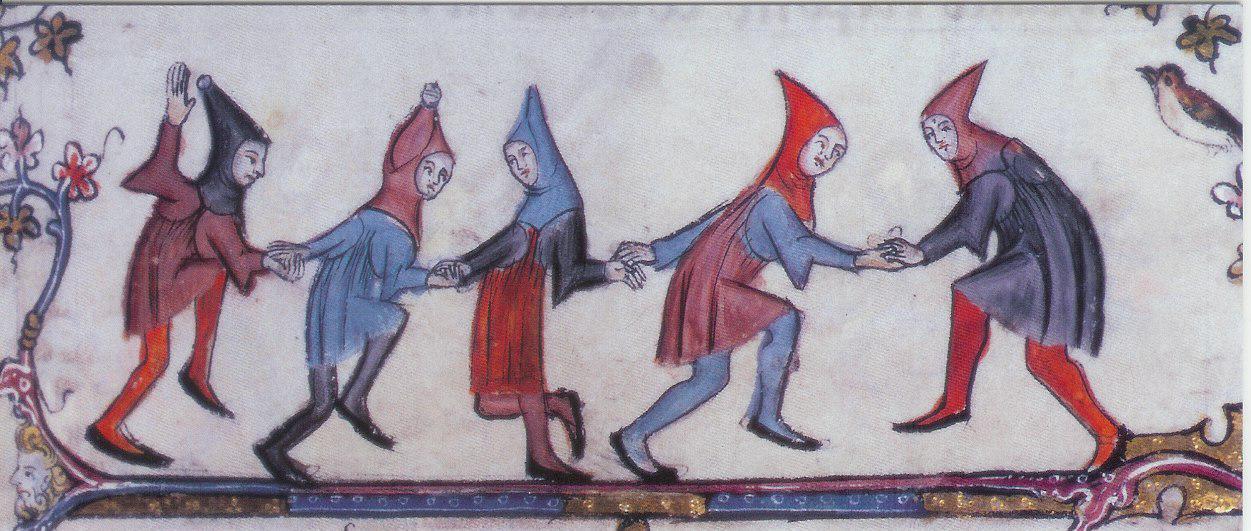
Mittelalter Musik und Tanz mit Christophe Deslignes Frankreich, Spezialist für Mittelaltermusik und Portativ. Tanzlieder aus Ars Nova, Ars Antiqua: rondelets de Carole, virelais, tresques, Estampies, Saltarelli, Balli, Bassa-danza.

Ensemblemusik: Polyphone Musik aus Ars Antiqua und Ars Nova, Ecole Notre-Dame, LlibreVermelldeMontserrat, Trecento Italiano, Guillaume de Machault. Vokal, Instrumental und gemischte Ensembles.
23-25 Juli 2017 in Iselsberg, Tyrol

Unterrichtssprachen Deutsch, Englisch Französisch

LINK

  • Workshop
  • Summer School
  • Medieval

Mr. Caverley's Slow Minuet - A New Dance for a Girl Writt by Mr.Pemberton (1729)

Mr. Caverley's Slow Minuet - A New Dance for a Girl Writt by Mr. Pemberton (1729)

Welche junge Dame auch immer dieses Solomenuett einst im Ballsaal präsentiert haben mag - sicherlich hat sie sich einige Stunden darauf vorbereitet: Dieser Tanz treibt durch eine Vielfalt an Schritten ein munteres, rhythmisches Spiel mit seiner schlichten Melodie! Vorkenntnisse in barocker Tanztechnik sind hier erforderlich. Termin: 22. und 23. April 2017 Samstag 10:30 bis 15:00 Sonntag 10:30 bis 13:30 Preis: € 98,00/ ermäßigt für zeitenTANZ-Mitglieder € 83,00

  • Workshop
  • Baroque
  • Intermediates
  • Advanced

Winter Ball 1873

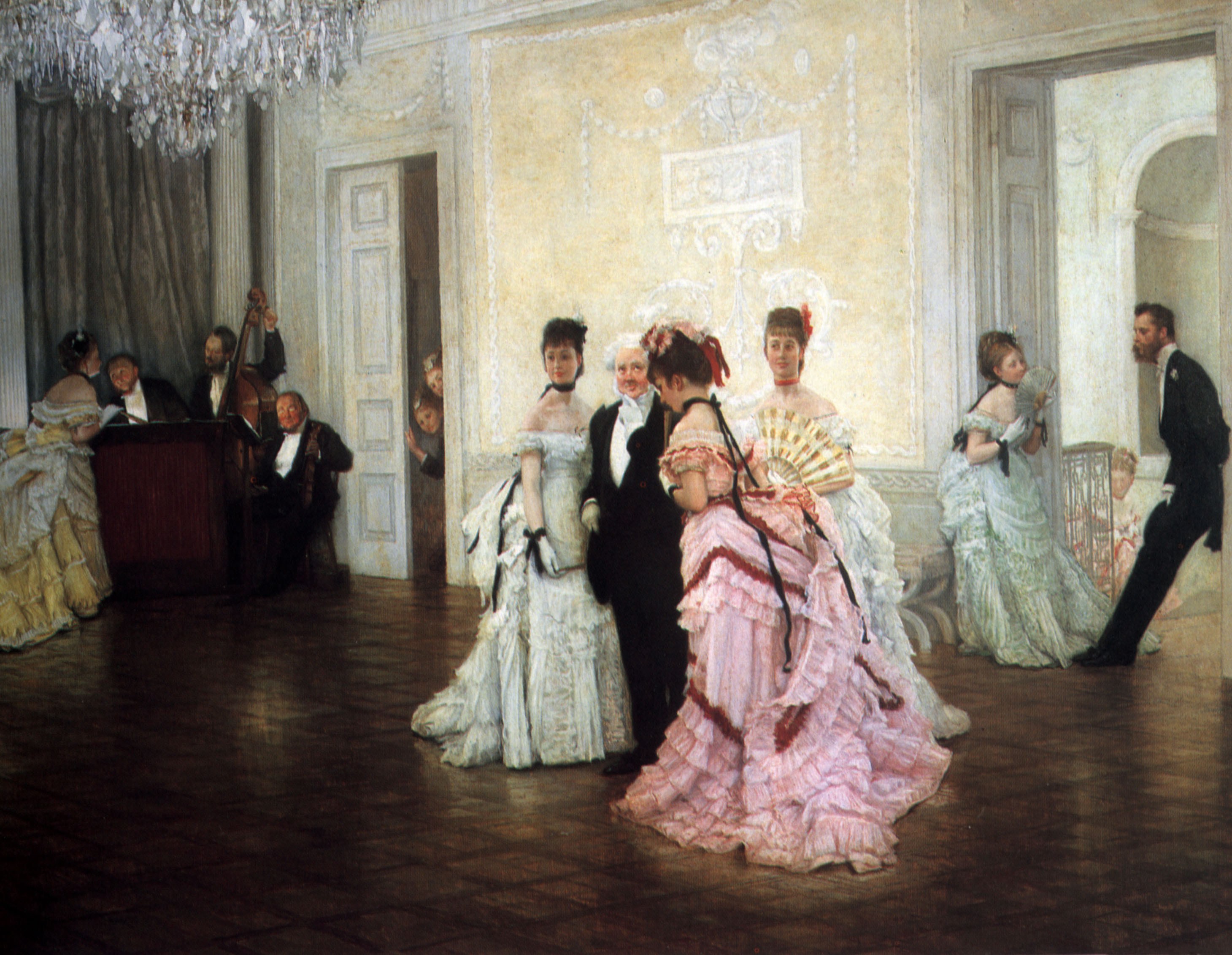
The Winter Ball at Castle d’Ursel is a fine tradition. On Saturday 25 November 2017 we are welcoming you again, with flickering candles on the drive, drinks and refreshments in the mirrored room and of course an extensive programme of dances in the hall. This year's theme will be 1873.

In 1873 Johann Strauss composes "Wiener Blut", a waltz that even today most of us would recognise. A year later Strauss becomes even more famous with his operetta "Die Fledermaus".

Ballrooms all over Europe are under the spell of the waltz, but also the polka and the mazurka – and their variations like the redowa and the varsovienne – add swing to every dance evening. At the same time classic quadrilles remain popular - and new variations are created, like the much danced Fledermaus Quadrille. In France, there is a renewed love for the rococo period, and 18th-century dances are reinterpreted and danced again.

Accompanied by period music ensemble, dancing master Lieven Baert will stand ready to guide you in the steps and figures of this rich tradition. A free training session will be held in the afternoon before the ball.

Dresscode for the Winter Ball is the fashion of 1873: first bustle, queu de Paris or tournure for the ladies, dark tail coat and trousers for the gentlemen.

In between times you can explore the upper floors of the castle and pose with your party for our house photographer. As usual, we will prepare some interesting side activities and refreshments in the adjacent salons.

Accommodation will be available at Het Laathof, the youth tourism centre on the castle estate, both of Friday 24 and Saturday 25 November.

Interested to dance at the Winter Ball? Then let us know quickly, as the number of places is limited!

You can also find this event on Facebook (https://www.facebook.com/events/239184503199417/).


Practical information

• Saturday 25 November 2017 (doors open at 19h30, ball begins at 20h and last dance after midnight)

• Admission: 65 € (includes dance training session from 14 to 17h and drinks and refreshments during the ball)

• Bed and breakfast at Het Laathof: 35 € per person per night (basic accommodation, possibly with shared bathroom). Please specify the number of nights.

• Reservation for ball and for accommodation at Het Laathof: info@kasteeldursel.be

• Payment: your reservation will only be confirmed after full payment of the admission fee and the accommodation (BE54 0910 1850 4797, BIC: GKCCBEBB, mention: ‘Winter Ball’)


  • Ball
  • 19th century
  • All levels