Zunft und Zeug
Marion
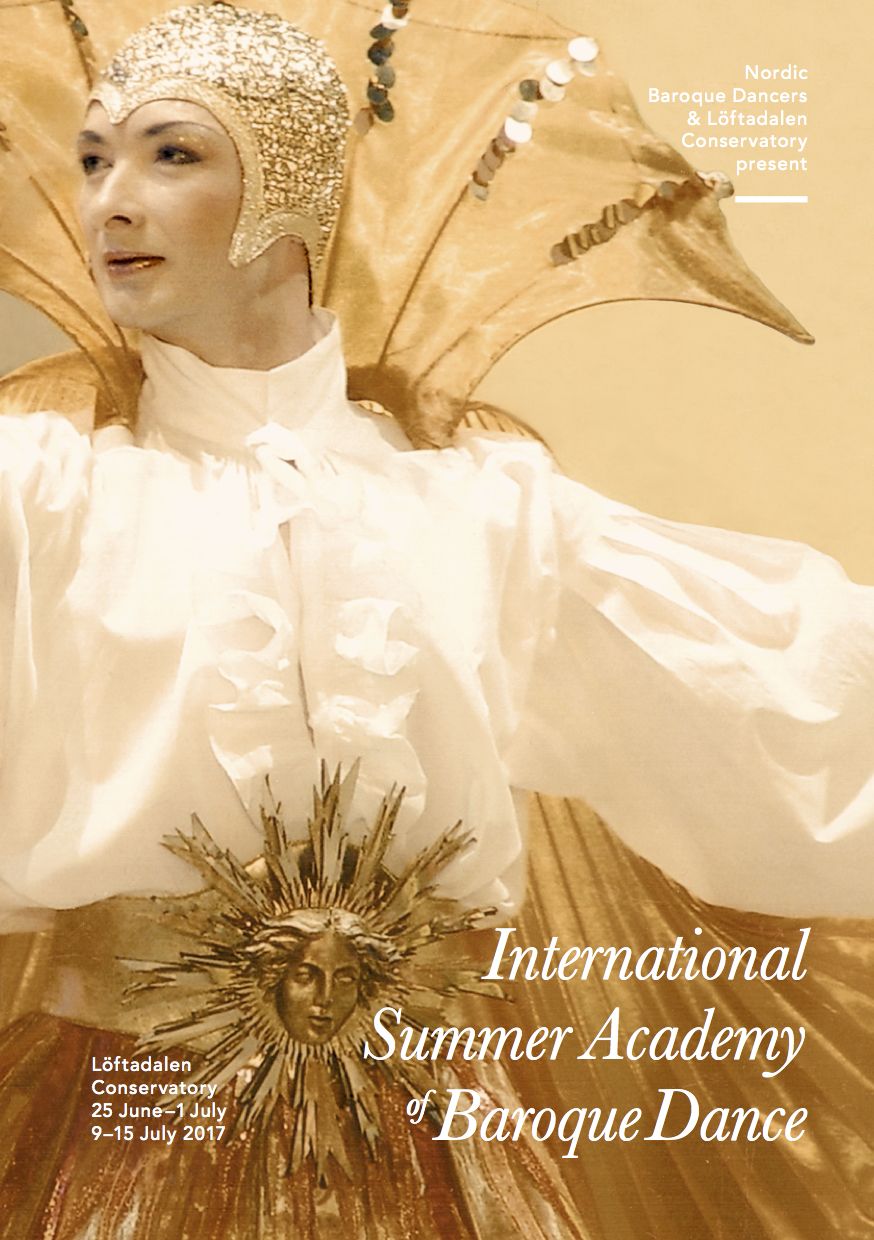
International Summer Academy of Baroque Dance 2017
Löftadalen Conservatory, Åsa, Sweden
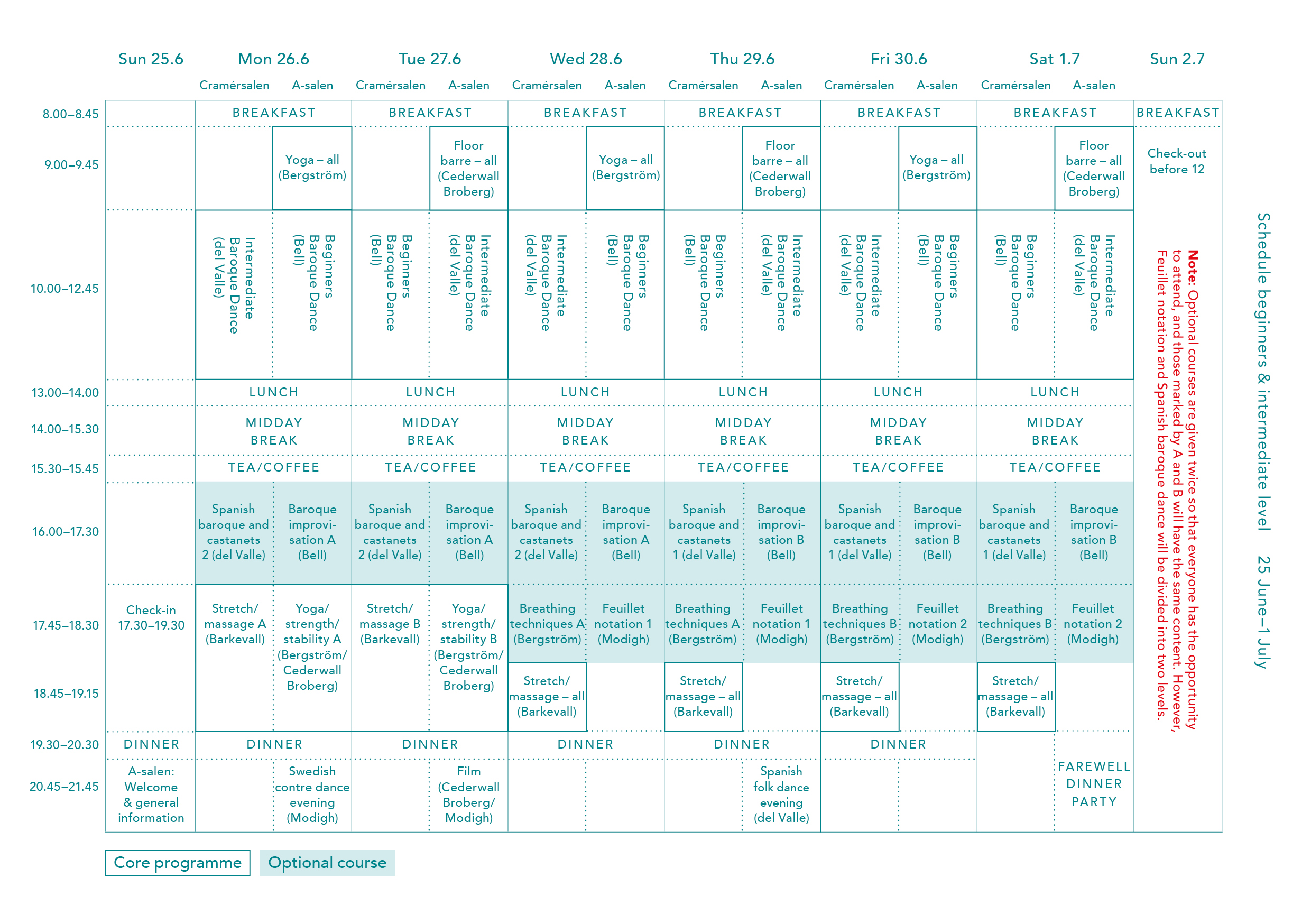
Beginners and intermediate level, 25 June-1 July
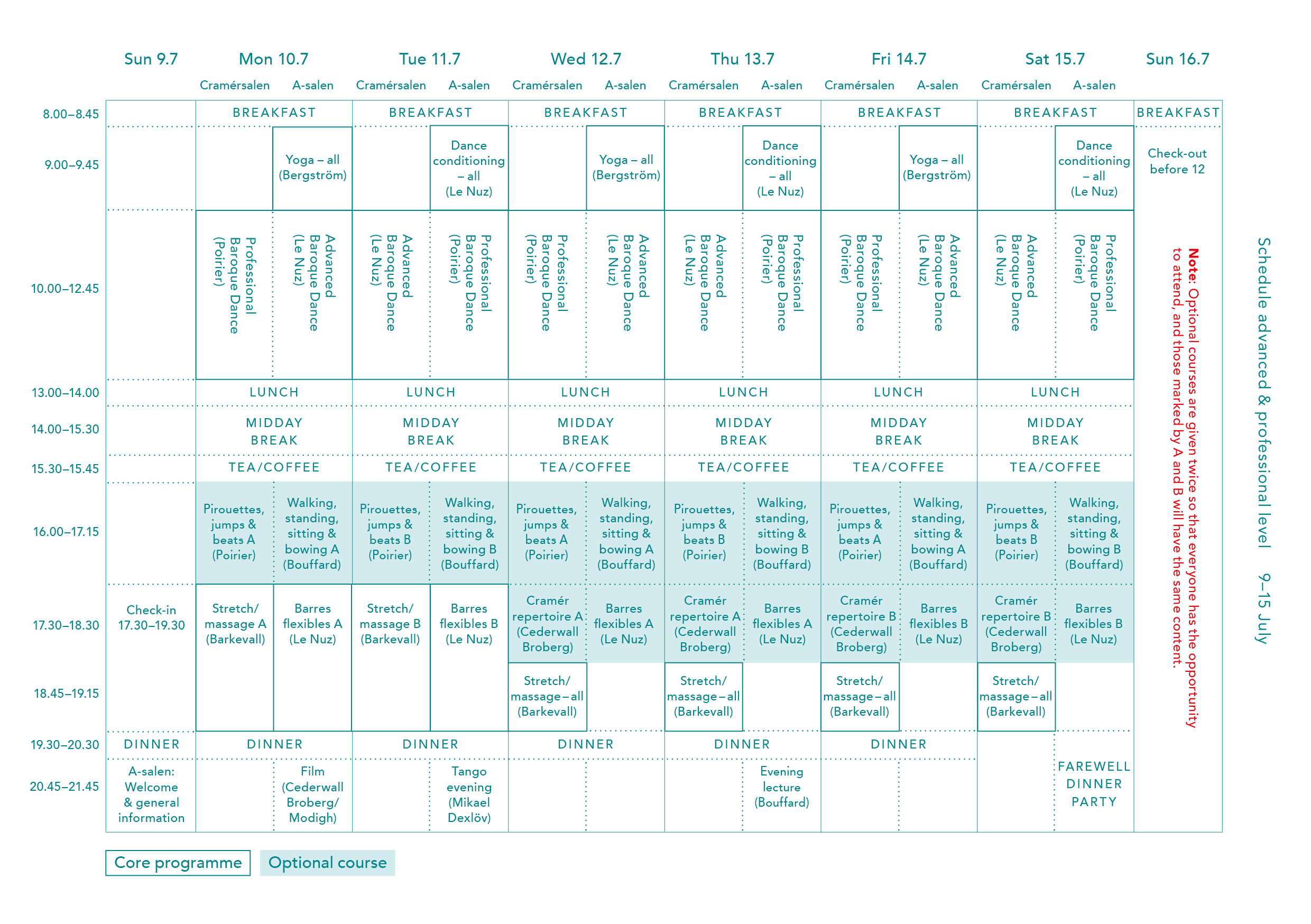
Advanced and professional level, 9-15 July
Located by the sea in idyllic surroundings, just south of Gothenburg, Löftadalen Conservatory will host the fourth International Summer Academy of Baroque Dance, inviting top-notch teachers from France, Germany and Sweden.
Main courses in baroque dance
Professional level with Gilles Poirier, advanced level with Robert Le Nuz, intermediate level with Begoña del Valle and beginners level with Charlotte Bell
Optional courses
Floor barre with Lena Cederwall Broberg, yoga with Ottilia Bergström, Stretching/massage with Sofia Barkevall, dance conditioning with Robert Le Nuz, Spanish baroque dance/castanets with Begoña del Valle, baroque improvisation with Charlotte Bell, breathing techniques with Ottilia Bergström, Beauchamps-Feuillet notation with Karin Modigh, pirouettes/jumps/beats with Gilles Poirier, walking/standing/sitting/bowing with Mickaël Bouffard, Cramér repertoire with Lena Cederwall Broberg and barres flexibles with Robert Le Nuz
Main course levels
Beginners 25 June-1 July
Whether you are a dancer or a dance student new to the genre, a singer, musician, actor or other, this is the opportunity to get a thorough introduction to the world of baroque dance. For the ‘beginners level’ you do not need any previous experience of the genre. However, we expect you to be a mover with a general dance experience, be in good shape, be used to regular physical activity, and to possess good general body awareness. Please be aware that baroque dance is no less demanding than most other dance forms, and typically puts a lot of strain on feet, calves and core muscles.
Intermediate 25 June-1 July
This level is aimed at dancers, dance students and dance teachers with a basic knowledge of the baroque dance vocabulary, as well as non-professional dancers with solid baroque dance experience.
Advanced 9-15 July
To the advanced level we welcome professionally trained dancers, dance students and dance teachers with a thorough knowledge of the baroque dance vocabulary. Please note that we ask for a short CV if you register for this level.
Professional 9-15 July
This level is aimed at professional dancers with a professional baroque dance experience. Please note that we ask for a short CV, as well as a link to a video sample of a stage performance, if you register for the professional level.
Scholarships
There are two scholarships available:
Löftadalen Summer Academy scholarship, in memory of Ivo Cramér
Each scholarship covers 50% of the fee in double room accommodation, and they both aim at professional dancers or dance students with any level of pre-knowledge in baroque dance. Dancers from all nationalities are welcome to apply.
Registrations are open and the deadline is 15 May.
We hope to see you there!
Information and registration:
http://www.baroquedancers.se/en/summer-academy/
Viernes 3 Marzo: 14-17h
Sábado 4 Marzo: 12.30-14.30h / 17.15-18.15h
Program:
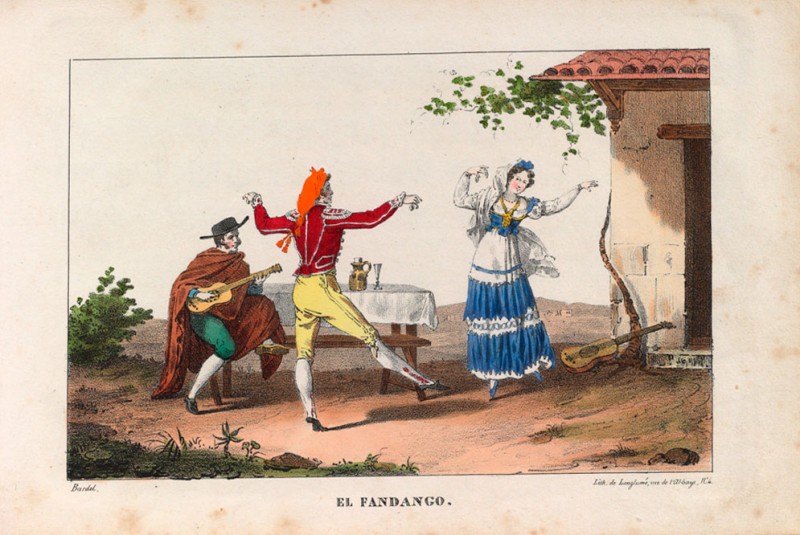
Spanish Early Fandango. S XVIII-XIX
Prix: 84€
Research rerefence:
https://www.academia.edu/24876585/_El_gesto_cor%C3%A9utico_en_la_m%C3%B…
A Little visual reference, ESQUIVEL (Danza & Musica) in te Museo del Prado:
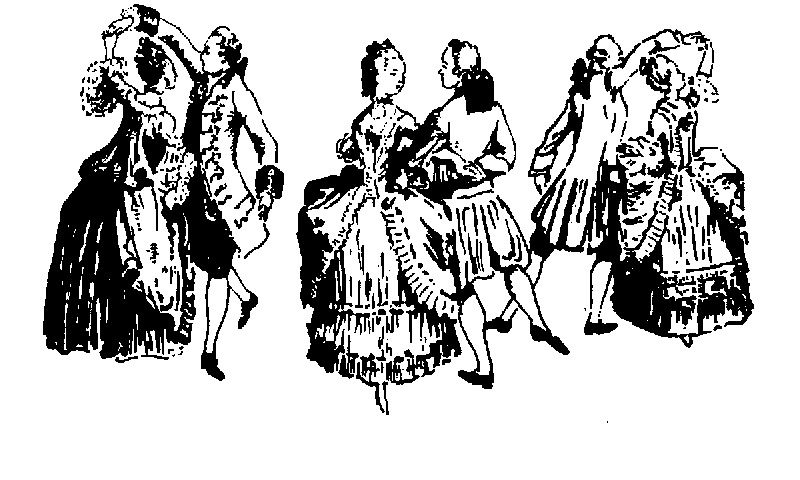
Die Rokoko - Zeit ist eine Zeit des Umbruchs. Dies spiegelt sich auch in der Tanzkultur wieder.
Neben den gezierten, höfischen Tänzen, deren herausragendster Vertreter das Menuett ist, spielten Gruppen- und Formationstänze eine große Rolle. Sie stammten ursprünglich aus England, wurden erst dem höfischen Tanzprogramm zugefügt, als sie in Paris zu Modetänzen geworden waren. Sie leben vom galanten Kontakt der Paare untereinander, auch Partnerwechsel kommen vor.
Als neuer Modetanz kam die Allemande auf. Sie ist ein reiner Paartanz ohne festgelegte Formationen. Weil diese Allemande die strenge Ordnung der Tanzfiguren ablehnt und als revoutionäre Neuerung sich ganz der Zweisamkeit zuwendet, war sie zunächst verpönt - bis dann der Durchbruch kam und ganz Europa den "Deutschen" tanzte.
Martin Rösler ist seit über 30 Jahren Tanztrainer der Rokoko-Tanzgruppe Biberach und Leiter des Fachbereichs „Historischer Tanz“ in der LAG Tanz Baden-Württemberg. Er wird uns einen Einblick in die Tanzgeschichte und die Tänze der Mozart-Zeit geben. Auch Einsteiger und Anfänger sind willkommen.